


When advertising becomes a bargaining chip for editorial coverage
Industrial trade media needs commercial support. Brands need independent editorial credibility. As financial pressures intensify, some publications are making commercial investment a condition of continued coverage. That creates a difficult question: when does a media relationship stop being earned?
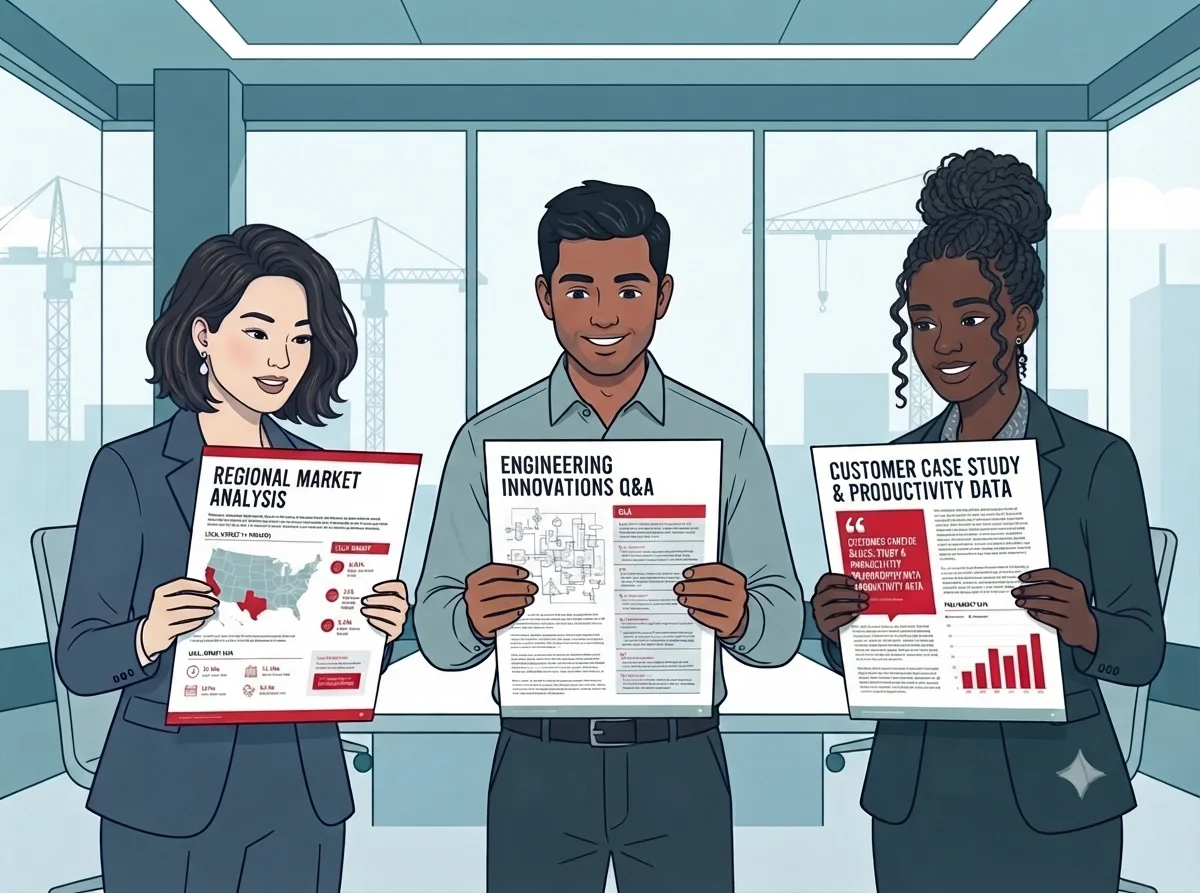
More media coverage doesn’t always mean more communication
As trade journalists increasingly ask for tailored stories rather than identical content, industrial PR is shifting away from measuring media mentions and towards creating something far more valuable: meaningful exposures.
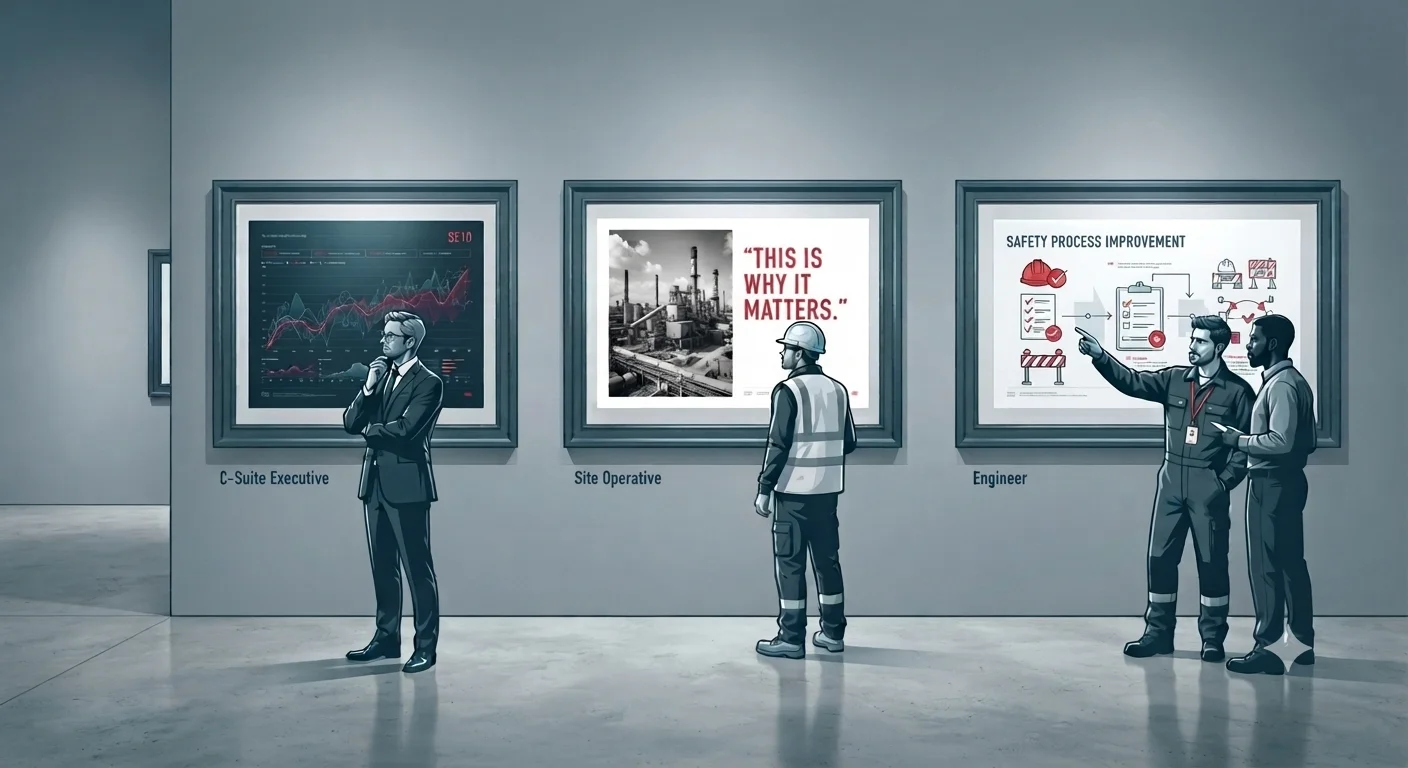
What are you really paying your industrial PR agency for?
When every agency promises similar deliverables and AI can produce content in minutes, it’s natural to question where the real value lies. The answer isn’t the words themselves. It’s the thinking that turns information into communication people genuinely want to engage with.

Why your best customer stories aren’t convincing anyone new
Your customers trust you, they keep coming back and recommend you to others. So why do your industrial case studies and project stories still struggle to persuade people who don’t already know you? The answer may be that you’re collecting evidence of customer loyalty instead of the evidence that created it.

What industrial journalists want: A guide to providing press-ready images
A compelling image is frequently the first thing that catches the eye in a news story, which makes providing one a priority when preparing a press release. Understanding what makes an image grab attention in a crowded, sceptical, and increasingly visual media landscape should therefore be a core part of your PR strategy.

The things you don’t think to tell your communications agency
Your communications agency doesn’t know your business like you do – and that isn’t a weakness. Sometimes, not knowing is precisely what allows us to see what you’ve stopped noticing.
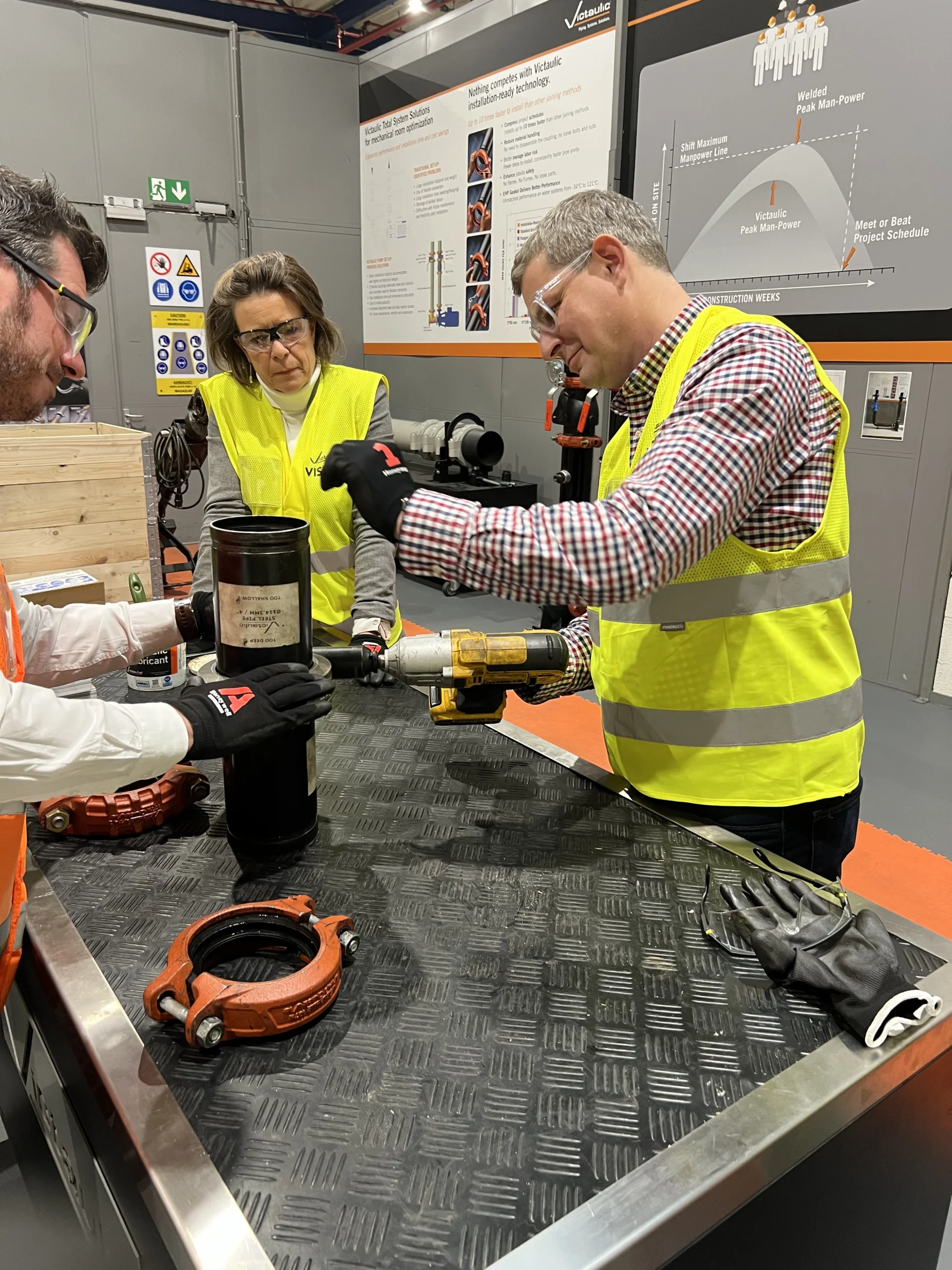
Starting with a new communications agency? Here’s how to help them hit the ground running
Appointing a communications agency should reduce pressure on your team, not create months of extra work to help them get up to speed. While every organisation is different, we’ve found that the quickest way for us become useful to our clients is through building a shared understanding, one experience at a time.

How will SE10 fit in with your in-house marketing or communications team?
Every organisation has its own way of managing communications. Understanding that before we recommend an approach is essential, because the services a specialist industrial PR agency provides may look similar from one client to the next, but the way those services are delivered needs to reflect the people, skills, and capacity already inside the business.

How SE10 gets to grips with complex technical topics
Engineering and technology businesses often worry that external agencies will struggle to grasp their highly technical products or processes. It’s a perfectly reasonable concern, particularly for organsiations that have previously spent more time educating their agency than benefiting from it. But understanding complex technology is only part of the challenge. The real test is turning specialist expertise into communication that makes sense to everyone else.
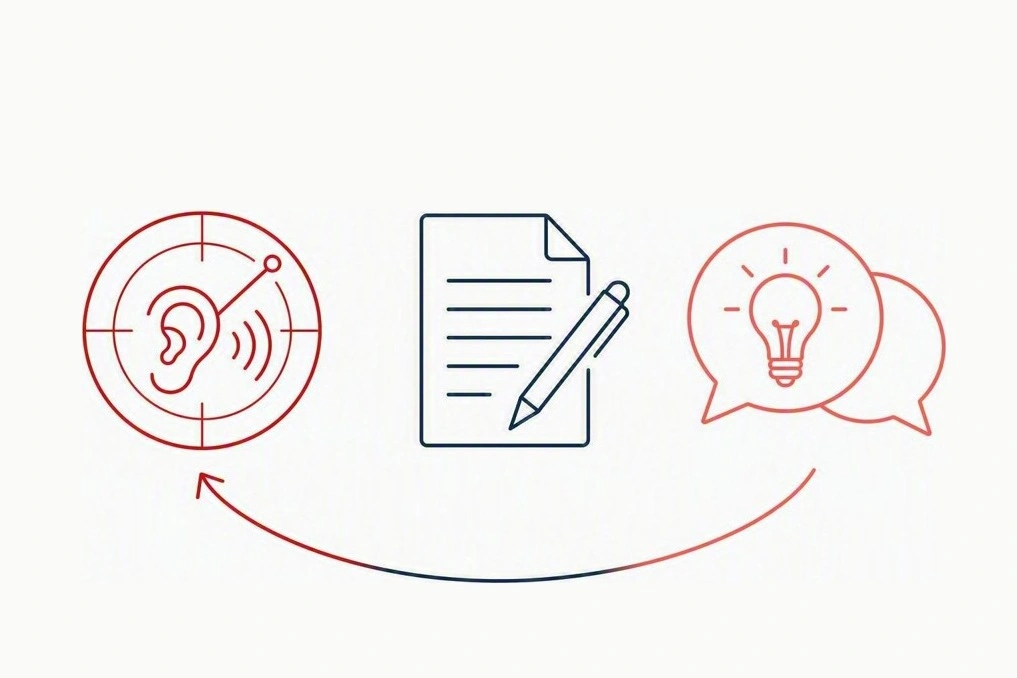
When does PR measurement look beyond attribution to prove communications value?
Communications creates value beyond the content it produces and the outcomes it can directly attribute. The challenge for marketing and communications leaders is showing the wider contribution and building a credible business case for continued investment.

When does a B2B PR agency’s sector expertise become a conflict of interest?
For industrial brands choosing a B2B public relations agency, specialist sector expertise is often the main draw. But that same experience may mean it already works with some of your competitors, customers, suppliers, or partners. So where is the line between valuable industry knowledge and relationships, and a genuine conflict of interest.

How do you get to the right public relations agency quicker?
PR agency selection processes can generate a lot of information before you have a clear sense of which organisations would be genuinely suited to the brief. From the agency side of the table, we’ve noticed that a simple qualification stage can make the journey to finding the right partner more focused and more revealing.

Are you using media monitoring to understand your market – or just your media coverage?
Industrial organisations invest significant time and money monitoring what the media says about their business. But the opportunity isn’t simply measuring your own visibility. It’s understanding what the wider conversation reveals about your customers, competitors, and the direction of your market.

Strategy or execution? Make sure your RFP asks the right question
One reason agencies with similar capabilities might produce very different proposals is when they try to answer different questions. If your RFP (request for proposal) doesn’t make clear whether you’re looking for strategic thinking, delivery capability, or both, comparing proposals becomes much harder.

The proximity problem: Why the market rarely sees your business the way you do
The closer you are to your own organisation, the harder it becomes to judge it objectively. That isn’t a flaw in your marketing strategy or your leadership team. It’s human nature. But understanding – and correcting – that gap in perspective may be one of the most valuable roles communications can play.
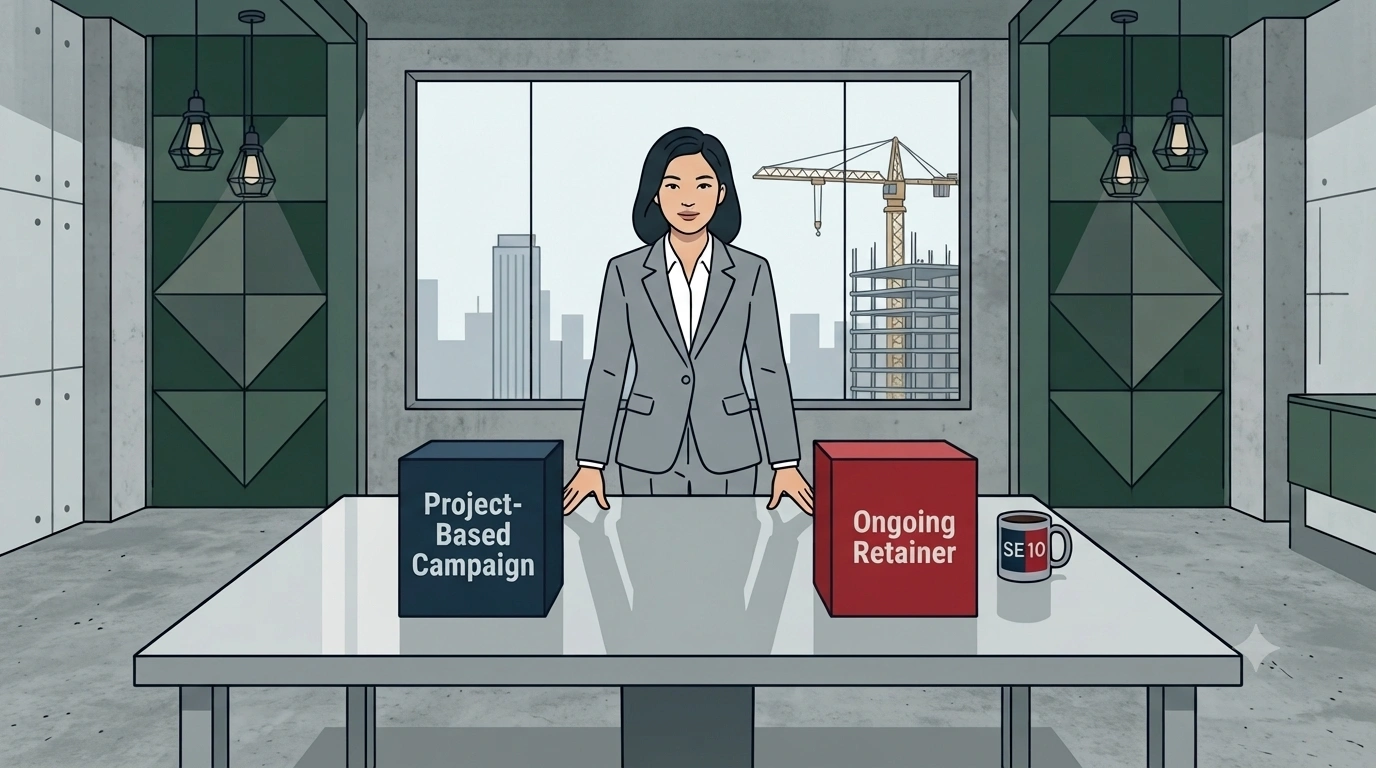
Retainer or project? The agency model that works depends on the comms challenge
Should you appoint a communications agency on a project basis or a retainer? It’s one of the most common questions in RFPs and procurement discussions. The answer isn’t that one model is better than the other. It’s that different communications challenges require different ways of working – and many organisations benefit from a combination of both.

Are you relying on the same spokespeople for every story?
Your CEO might be the right voice for your company’s strategy, but not necessarily for its technology, customers, or culture. Here’s why choosing the right spokesperson for each story can make your communications more credible, distinctive, and useful.

Should you specify a budget in your PR agency RFP?
Whether or not to disclose a budget might be one of the most debated parts of any agency request for proposal (RFP). Some organisations believe keeping it confidential encourages competition and better value, while others want to see how far their budget could take them by specifying a ‘do not exceed’ figure from the outset. There is no universally right approach but understanding how agencies use budget information can help you receive proposals that are more relevant, more comparable, and more likely to meet your objectives.

Does writing your own thought leadership really make it more authentic?
Many of the most knowledgeable people in industrial business aren’t writers. They’re engineers, technical specialists, operational leaders, and commercial experts. So, does authentic thought leadership require them to write every word themselves?
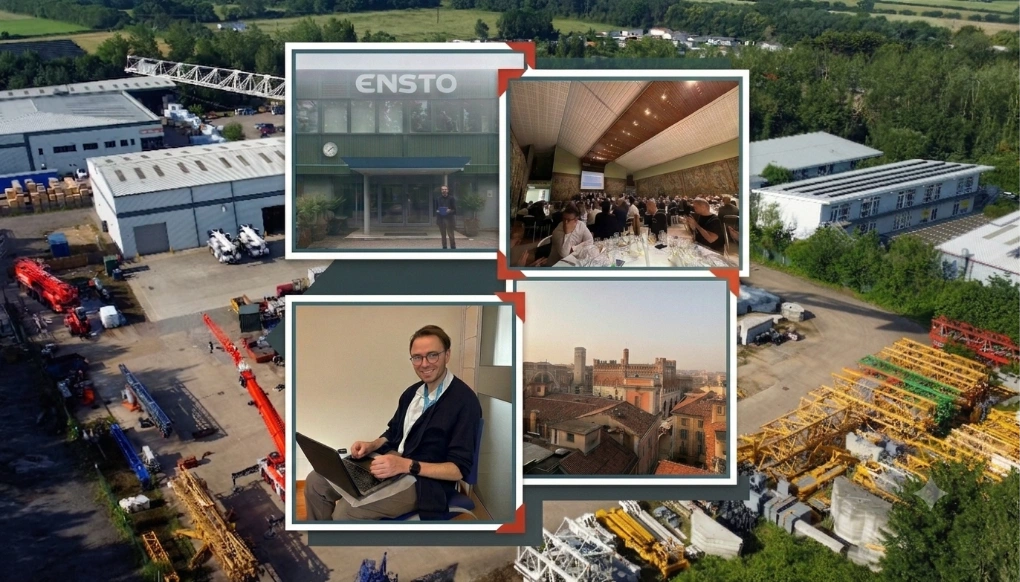
The value of a lift: What in-person industrial PR has taught me about people
Account manager Jack Porter has worked at SE10 since 2022. In this blog, he shares his lessons and learnings from supporting PR events across Europe and explains why authentic communications come from understanding the people behind the ideas and solutions.

Designing visibility for leaders who don’t seek the spotlight
Leadership visibility has become one of the most valuable assets an industrial organisation can build. Yet many still assume it depends on finding leaders who enjoy the spotlight. More often, the challenge is designing communication around how leaders already think, work, and share their expertise.

Why editors are calling out press releases as AI – even when they’re not!
Editors are describing press releases as ‘AI-generated’, even when AI hasn’t been involved in the writing process. Rather than making a literal judgement about authorship, they are more likely reacting to the fact that when generative AI makes polished writing effortless and accessible to all, credibility now comes from evidence that only the organisation itself could provide.

Why trying to remove ego from communications often removes authenticity too
Many organisations are uncomfortable putting individual names against achievements that were delivered collectively. As a result, we often see quotes reattributed to multiple people at once or even entire teams during approval processes. The intention is usually generous. The outcome, however, is often less authentic, less credible, and less useful for the audiences the communication is trying to reach.
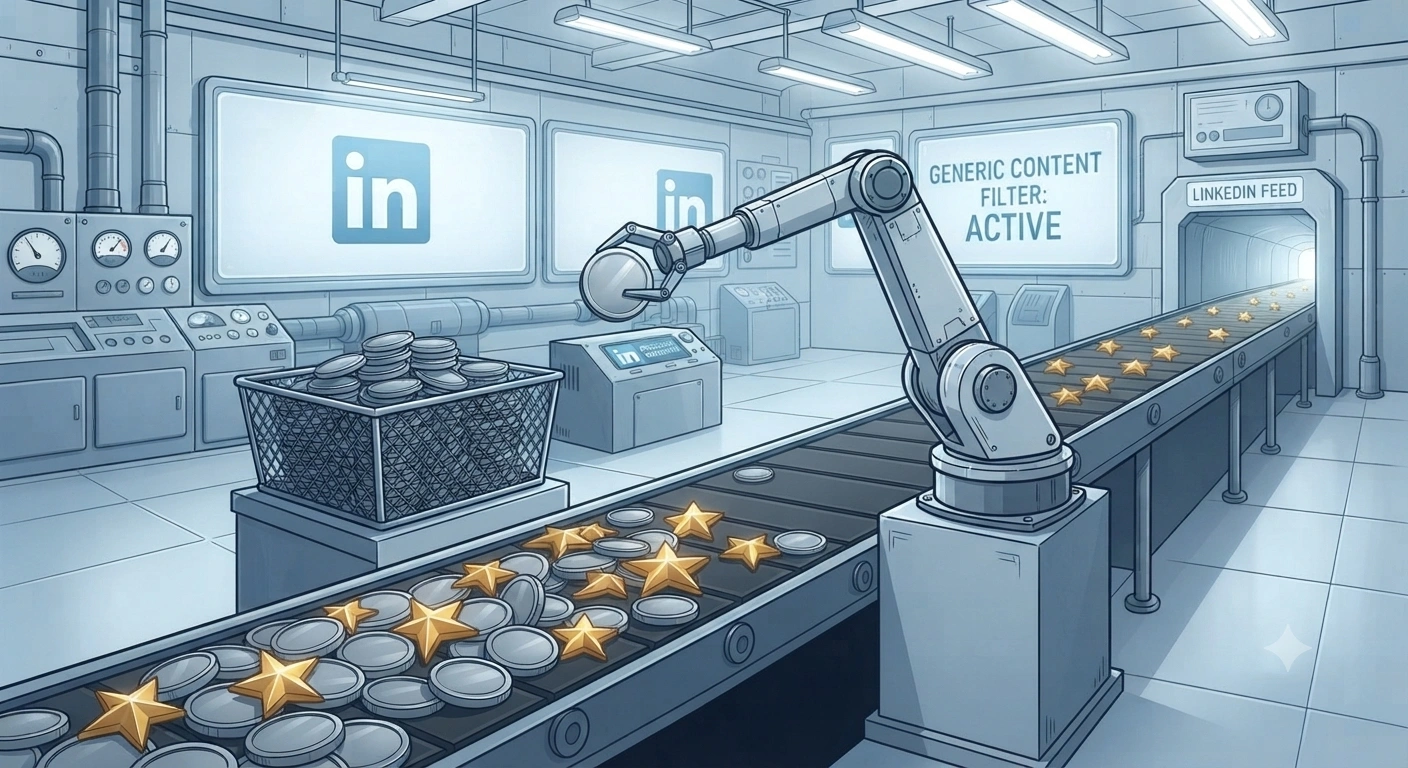
LinkedIn isn’t cracking down on AI. It’s cracking down on generic content.
As LinkedIn takes action against low-value content, the lesson for industrial marketers is not necessarily to avoid AI tools but to rethink what makes content worth reading. When polished posts become easier to create, original expertise, practical experience, and genuine perspective become the things that set brands apart.

Why leadership visibility is about accountability, not personal branding
Some industrial organisations hesitate to put senior leaders in the spotlight, worrying it looks self-promotional or builds an individual’s profile instead of the company’s. However, visible leadership isn’t really about recognition. It’s about showing customers, journalists, recruits, and partners that knowledgeable people are prepared to stand behind the organisation they represent.

Is your communications agency reducing your workload – or adding to it?
Industrial organisations hire communications agencies to bring specialist expertise, fresh perspectives, and additional capacity. But when an agency relationship creates unnecessary extra coordination, clarification, and administration, it can undermine the very reason it was appointed. The difference often comes down to the operating model behind the partnership.

The PR lessons we can learn from the World Cup
For six weeks, the 2026 FIFA World Cup has given us a steady supply of entertainment, elation, ego and heartbreak. We’ve experienced the kind of moments that will be replayed and debated long after the final whistle and carried with football fans until the next tournament. At SE10, though, we saw more than a sporting spectacle. We saw a global stage that offered valuable lessons in storytelling, reputation, resilience, and the principles that underpin effective public relations.

One year into GEO: The biggest surprise is what hasn’t changed
Around a year ago, generative engine optimisation (GEO) emerged as a new digital marketing discipline surrounded by excitement, uncertainty, and no shortage of bold predictions. Some declared SEO obsolete. Others promised a new generation of optimisation tactics that would unlock AI visibility overnight. Twelve months on, the reality looks rather different. While much remains unknown, one lesson has surprised us more than any other: the organisations succeeding in AI search are often those doing the things good communicators have always done.

What should industrial brands actually measure when it comes to GEO?
As generative engine optimisation (GEO) gains momentum, a growing number of tools promise to measure brand visibility across ChatGPT, Gemini, AI Overviews, and other AI-powered search experiences. But visibility alone does not tell the full story. For industrial brands, the bigger challenge is understanding whether AI platforms are describing the organisation accurately, consistently, and in line with the reputation it is trying to build.

Human-led, AI-assisted: How SE10 uses AI responsibly
Generative AI has changed how a lot of work gets done, ours included. But it has not changed what clients are paying for: clear thinking, accurate writing, and a story worth telling. Here is how we use AI to work smarter while keeping the craft, and your confidential information, in human hands.

Should you create content specifically for AI search?
We recently came across a communications agency website that included an about page written explicitly for AI systems. It raised an interesting question: as search evolves and more information is discovered through ChatGPT or Google AI Overviews, should organisations start creating content specifically for machines? The more we explore GEO, the more we believe the answer is ‘probably not’.

When editors say your press release is ‘too promotional’, this is what they actually mean
Few pieces of editor feedback frustrate marketing teams more than hearing a press release described as ‘too promotional’. After all, most press releases are designed to generate positive awareness and support commercial goals. So what are editors actually objecting to? In our experience, the answer is rarely promotion itself; rather a lack of evidence, relevance, or substance behind the claims being made.

Is Friday a bad day to send a press release? What our B2B distribution data tells us
Friday press releases aren’t as risky as many PR professionals believe, but they’re not without challenges. Analysis by SE10 of almost 350 press release distributions reveals why visibility isn’t the problem, and where engagement begins to drop off as the weekend approaches.

The irony of GEO: Industrial B2B communication was already doing it
For years, many industrial marketers struggled to apply conventional SEO playbooks to highly specialised sectors. Ironically, that challenge may have given them an unexpected advantage as search evolves towards AI-driven discovery. The content strategies that often looked inefficient through a traditional SEO lens increasingly resemble the qualities generative search engines appear to value most.
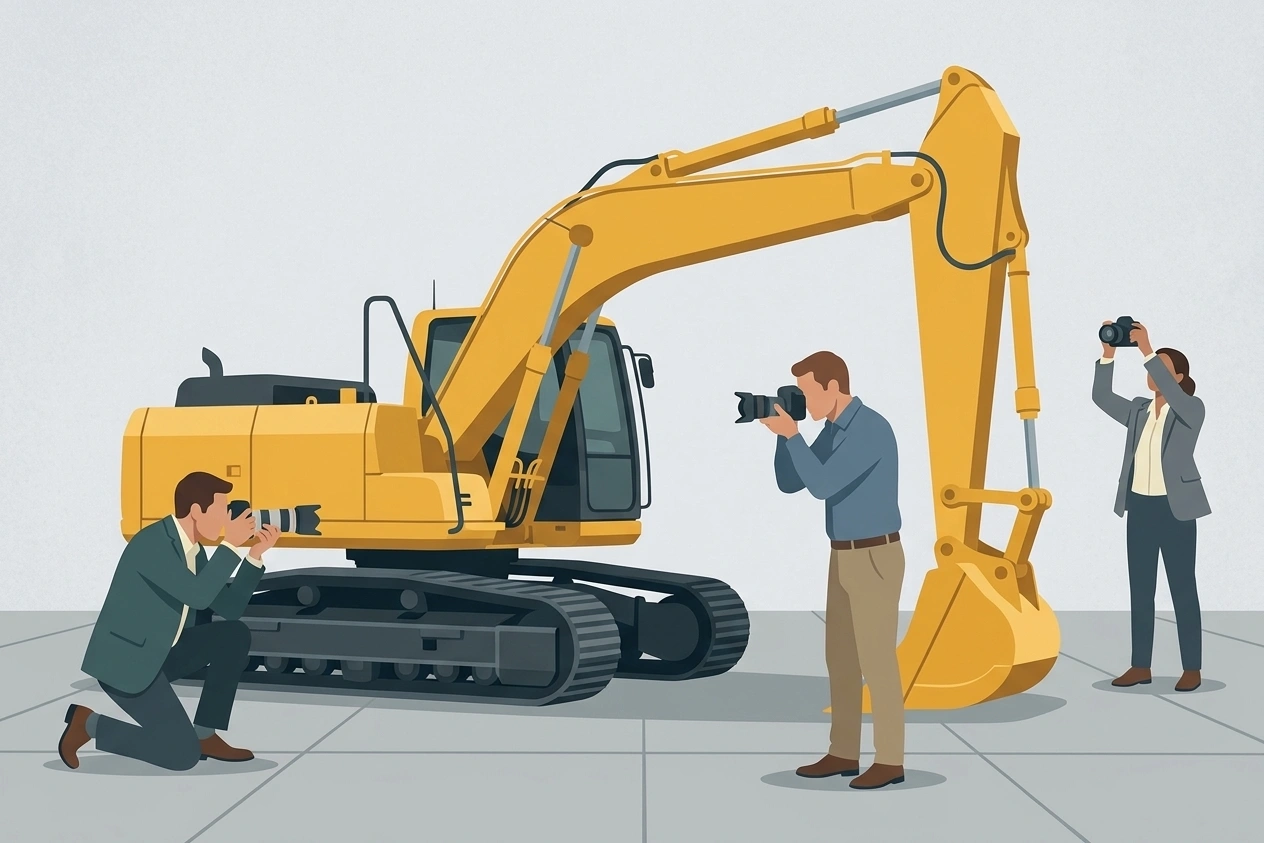
Why journalists attend press events in 2026 – and what brands must offer
Convincing journalists to spend a full day away from their desks has always been difficult. In an age where press releases, imagery, interviews, and demonstrations can all be delivered remotely, attending an in-person event increasingly depends on whether there is a clear reporting advantage.

How one industrial brand protected commercial trust during a CEO transition
Leadership transitions can create uncertainty for employees, customers, suppliers, and other partners long before any operational change actually takes place. One of our clients recently demonstrated how the sequencing and format of communication can significantly influence stakeholder confidence during a CEO succession.

What AI summaries reveal about the value of media coverage
Media coverage has traditionally been evaluated through metrics such as outlet circulation or impressions as indicators of potential reach. However, as AI-generated search becomes more widely used and specialist publications with relatively modest readerships are cited, assumptions about which coverage creates the greatest long-term value may need to evolve.

Why your press release is no longer the finished article
At SE10, we write press releases journalistically so editors can use them quickly and easily if they choose. Increasingly, though, we are seeing trade publications rewrite headlines, intros, and story framing far more actively than they once did. This shift says less about the quality of press releases and more about how trade media itself is evolving around search, audience behaviour, and AI-driven discovery.

Why impressions are falling when media coverage is rising – and what to measure instead
Newswire distribution can place a story on hundreds of websites within hours. That visibility still has clear uses, from disclosure obligations to discoverability. But as automated syndication and AI-generated content reshape the digital information landscape, communications teams may need to think more carefully about where their stories appear, how they are interpreted, and what kind of visibility actually creates value.

Your press release is everywhere – but is anyone reading it?
Newswire distribution can place a story on hundreds of websites within hours. That visibility still has clear uses, from disclosure obligations to discoverability. But as automated syndication and AI-generated content reshape the digital information landscape, communications teams may need to think more carefully about where their stories appear, how they are interpreted, and what kind of visibility actually creates value.

Stop competing with your partners: Why a shared story earns more impactful media coverage
When multiple parties all have a great story to tell about the same project, competing for attention with the same media is a losing game. We discuss how a collaborative, story-first approach delivers better results for everyone.

The most valuable insight in your media coverage report isn’t the numbers
Large volumes of coverage and high impression numbers can mask important strategic signals. At key moments, looking more closely at how journalists frame and contextualise your stories can reveal how the market actually understands your brand — and where communication may need to work harder.

Why good industrial marketing teams still struggle to create joined-up campaigns
Most fragmented communications aren’t caused by poor collaboration. They happen because teams are asked to deliver individual assets before anyone has aligned around the story those assets are supposed to support. The result is duplicated effort, missed opportunities, and campaigns that never reach their full value.

How can PR be data-driven when the data isn’t perfect?
Data is playing an increasingly central role in how PR is planned, evaluated, and justified. But in industrial B2B sectors, that data is often fragmented, indirect, or delayed. Understanding how to work with those constraints is what turns data from a reporting exercise into a decision-making tool.

You can’t control what the media publishes. Here’s what you can do instead.
Once an interview is done, editorial control sits with the publication – not the brand. For communications leaders in industrial B2B sectors, that can feel uncomfortable. Understanding what you can influence, what you can’t, and where copy approval actually fits is key to managing risk and building stronger media relationships.

Does LinkedIn have any value left?
LinkedIn is becoming harder to love, especially as AI-generated thought leadership floods the feed. But for B2B companies, the platform still has value — if brands use it strategically, stay human and avoid adding to the noise.

The double shift: Balancing motherhood and work in industrial public relations
Across our global team, we look at how the challenges of parenting and a culture of flexibility drive professional excellence at SE10.
This Mother’s Day, we’re stepping into SE10’s Engine Room to hear from three colleagues balancing a global career in industrial PR with the double shift of motherhood. Mariana Santos (Account Director, USA), Salmah Elhaissane (Account Manager, Singapore), and Maria Oliver (Financial Controller, UK) share how being mothers shapes the way they work today.

When we say ‘PR’, are we talking about the same thing?
PR is one of those terms that gets used often and is assumed to be understood. But in practice, it can mean very different things to different people, impacting expectations, budgets, channels, and results.

Why your one big PR announcement didn’t make the impact you expected
Focusing on one-shot stories can be tempting for reasons of efficiency or budget, but even groundbreaking industrial news can fail to capture attention if it lands in a vacuum. We explore why you need currency with B2B editors and their readers – and how to build it.

Does it matter if your PR agency team actually likes each other?
A strong PR strategy is only part of the story. We explore how the way an agency team works together can shape outcomes more than many clients might realise.

The nuances of communication in North America: A guide for global industrial brands
Understanding how communication works in North America is key for industrial brands looking to succeed in this fast-paced, results-driven market. From direct messaging to data-led storytelling, adapting your approach can make the difference between being heard and being overlooked.

Is your PR strategy talking to the market – or just the boardroom?
In the rush to show activity and satisfy internal stakeholders, it’s easy for industrial brands to get stuck on a content treadmill. But when every internal milestone is treated as an external news story, the messages that actually matter get lost in the noise. We explore why the most effective communications strategies aren’t built necessarily on volume, but on the editorial discipline to prioritise audience needs over competing internal pressures.

Storytelling in Asia: How cultural values shape industrial brand narratives
Asia’s digital rise demands a new kind of B2B communication. Learn why industrial brands must pivot from technical data to human-centric narratives, leveraging local values to build stronger and more impactful connections.
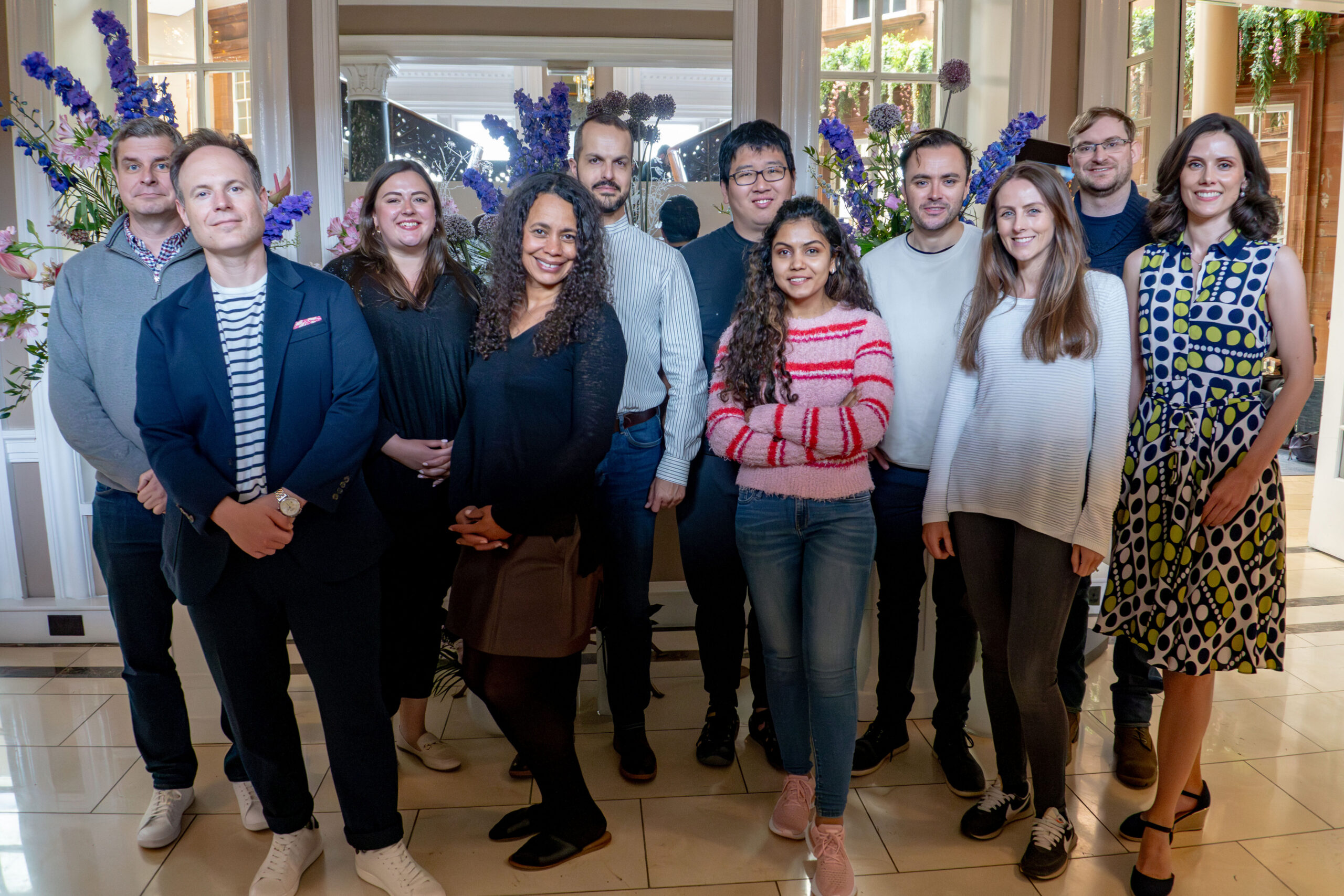
The case for choosing a smaller agency
“I’m sure you’ve heard the Dunder Mifflin argument before. It’s about how a smaller company is able to compete against the titans of industry because it’s more nimble, flexible, attentive and passionate. Well, it’s true.”

Keeping global messages consistent while adapting communication across Southeast Asia
As Southeast Asia’s markets continue to evolve at different speeds, global industrial brands are finding that a single regional message is no longer enough. Effective communication now requires a consistent global narrative combined with storytelling that reflects each market’s unique priorities, stakeholders, and media landscape.

Your first media interview: A practical look at turning nerves into confidence
You’re an expert in your field but not an experienced public speaker – and that’s okay. Here we share SE10’s approach to interview preparation, offering some practical thoughts and techniques for sharing your expertise with confidence.

Solving the global-local communications challenge
For global industrial organisations, the challenge is not choosing between global consistency and local relevance. It is defining clearly what must stay the same and what can adapt, so communication remains coherent across markets that operate under very different realities.

Is mobile-first always the right approach for industrial B2B PR?
While mobile dominates many areas of digital communication, journalist engagement with press releases may follow a different pattern – particularly in technical, trade-focused sectors.

Flexible, focused, and ready: How SE10 scales to meet client needs
When your business priorities change, you need partners who can pivot with you. At SE10, a specialist industrial PR agency with a global footprint, scalability isn’t about size – it’s about deep expertise, smart ways of working, and an agile mindset.

Purpose under pressure: Protecting meaning in an always-on world
Where every message is interpreted, shared, and compared at speed, purpose cannot be sustained by campaigns alone. Rather it requires consistent, deliberate stewardship to remain credible across markets, channels, and time.
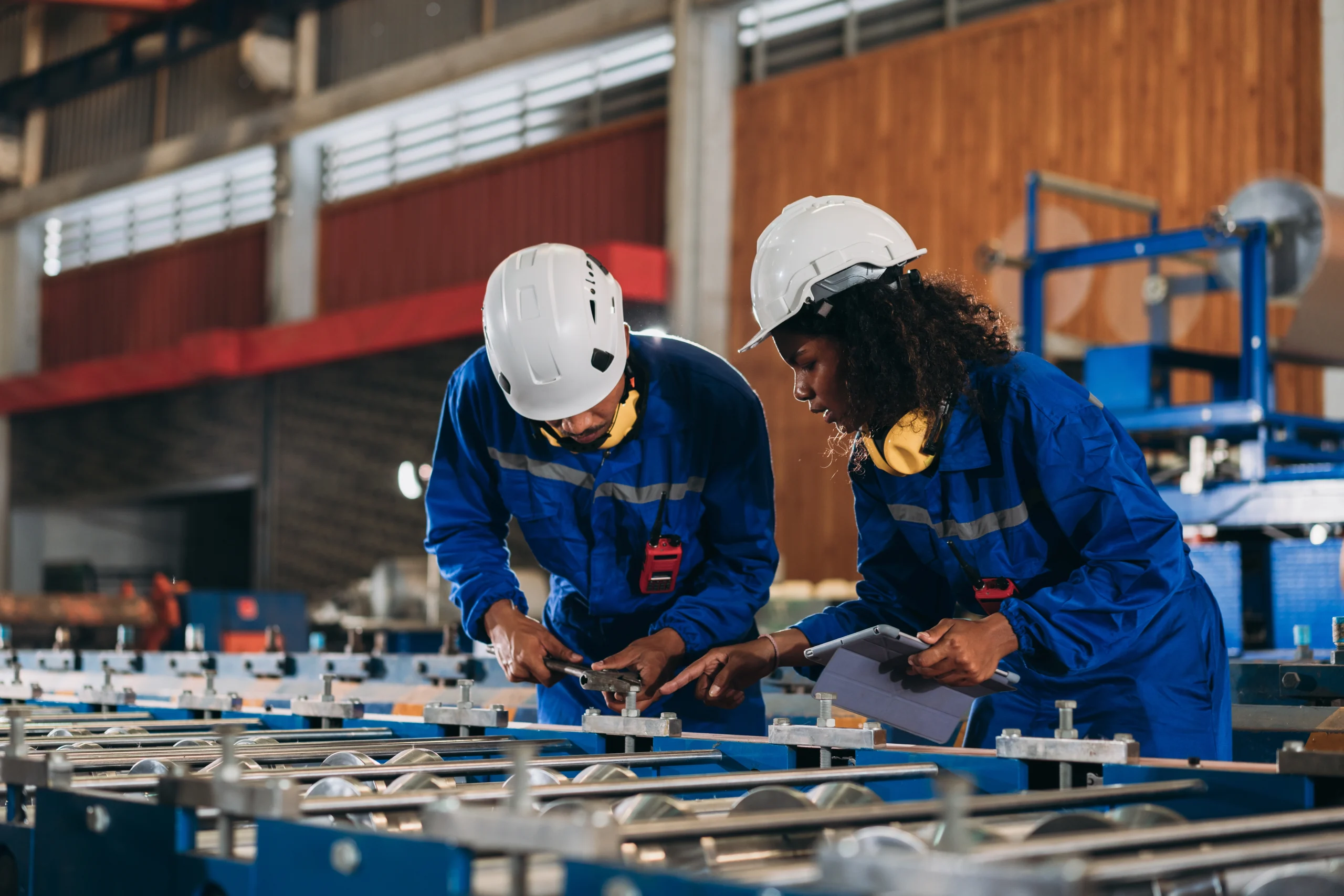
Purpose from the inside out: Why internal alignment can’t be assumed
When an industrial organisation’s purpose is tested every day by operational pressure and performance metrics, it must be constantly reinterpreted and reinforced to deliver positive business impact.

Communicating purpose internationally: When good intentions meet local meaning
While purpose is a valuable strategic asset for global industrial organisations, it’s also a source of risk that needs to be managed with both discipline and local insight.

Why purpose matters more than ever in 2026
Purpose is a term that has become ubiquitous in the corporate world, but in a time of intense pressure and scrutiny, what does it really mean and just why is it so important for business success?

Why industrial sectors need more women in leadership
On this year’s International Women’s Day, SE10 Account Director Mariana Santos reflects on the strong presence of female professionals in industrial PR — and why male-dominated industrial sectors need more women in executive roles.

Working well with others: SE10’s approach to seamless multi-agency collaboration
At SE10, we know that great outcomes stem from clear roles, mutual respect, and a shared focus on the client’s success. Here’s how we approach working alongside other agencies – and why we believe everyone stands to gain.
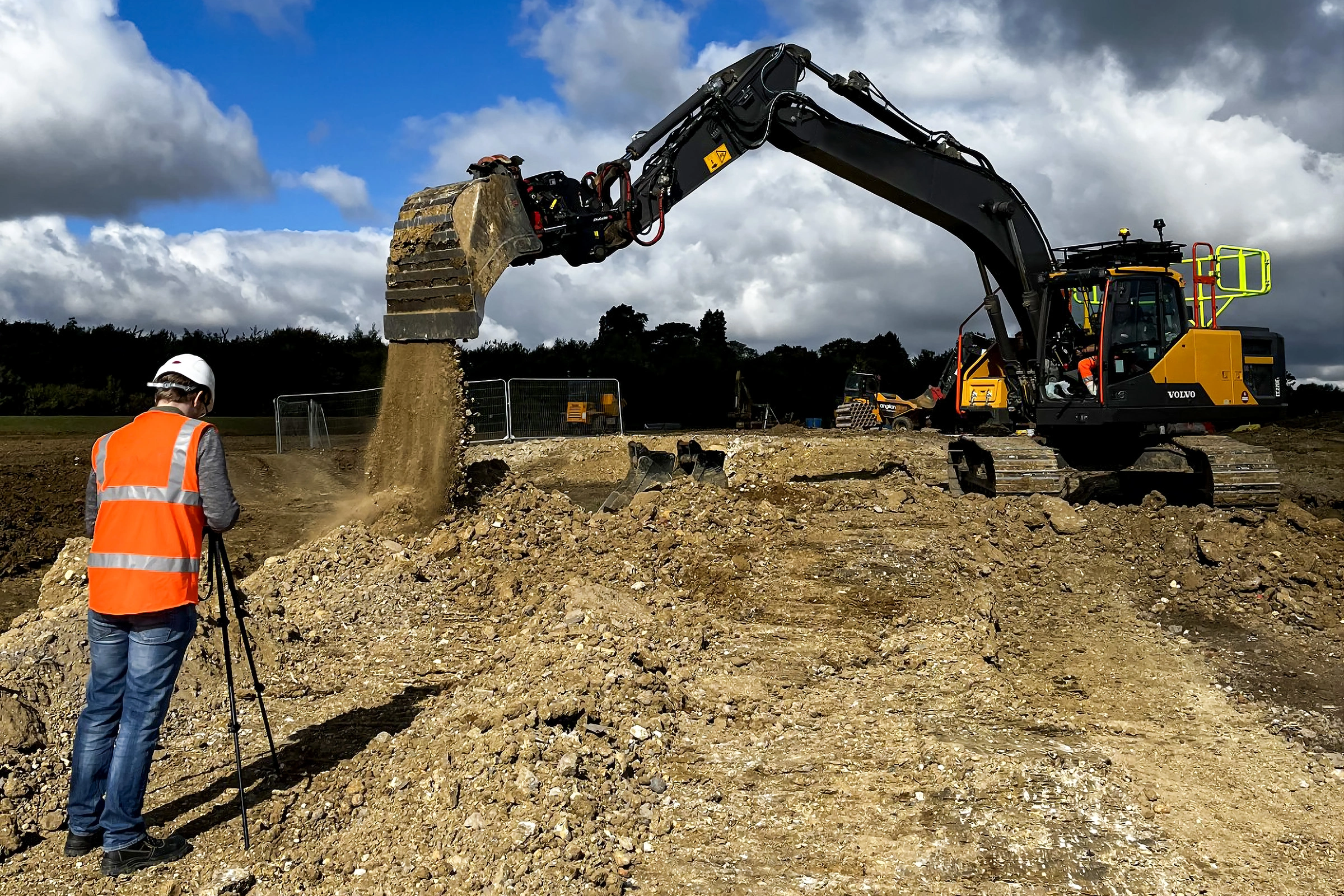
Why editorial judgement is so important for jobsite video shoots
Every video shoot requires careful preparation, as well as enough flexibility to account for unexpected changes. For industrial projects on live sites, things rarely unfold as planned, making the ability to adapt even more important – and the best way to do so with confidence on site is to think like a journalist.

Why your case study pipeline keeps stalling – and how to fix it
Most industrial marketing teams don’t lack good customer reference projects. Rather, they struggle to capture the opportunities early enough to turn them into credible proof. The issue isn’t effort. It’s alignment, timing, and ownership. Here’s how to build a customer testimonial pipeline that actually holds together.

Authenticity isn’t about typos: what really signals human expertise in the age of AI
In a digital landscape dominated by AI-generated articles, human-written content still performs better in search results and earns greater trust. As questions surrounding authenticity intensify, industrial brands built on precision must look beyond surface-level cues.
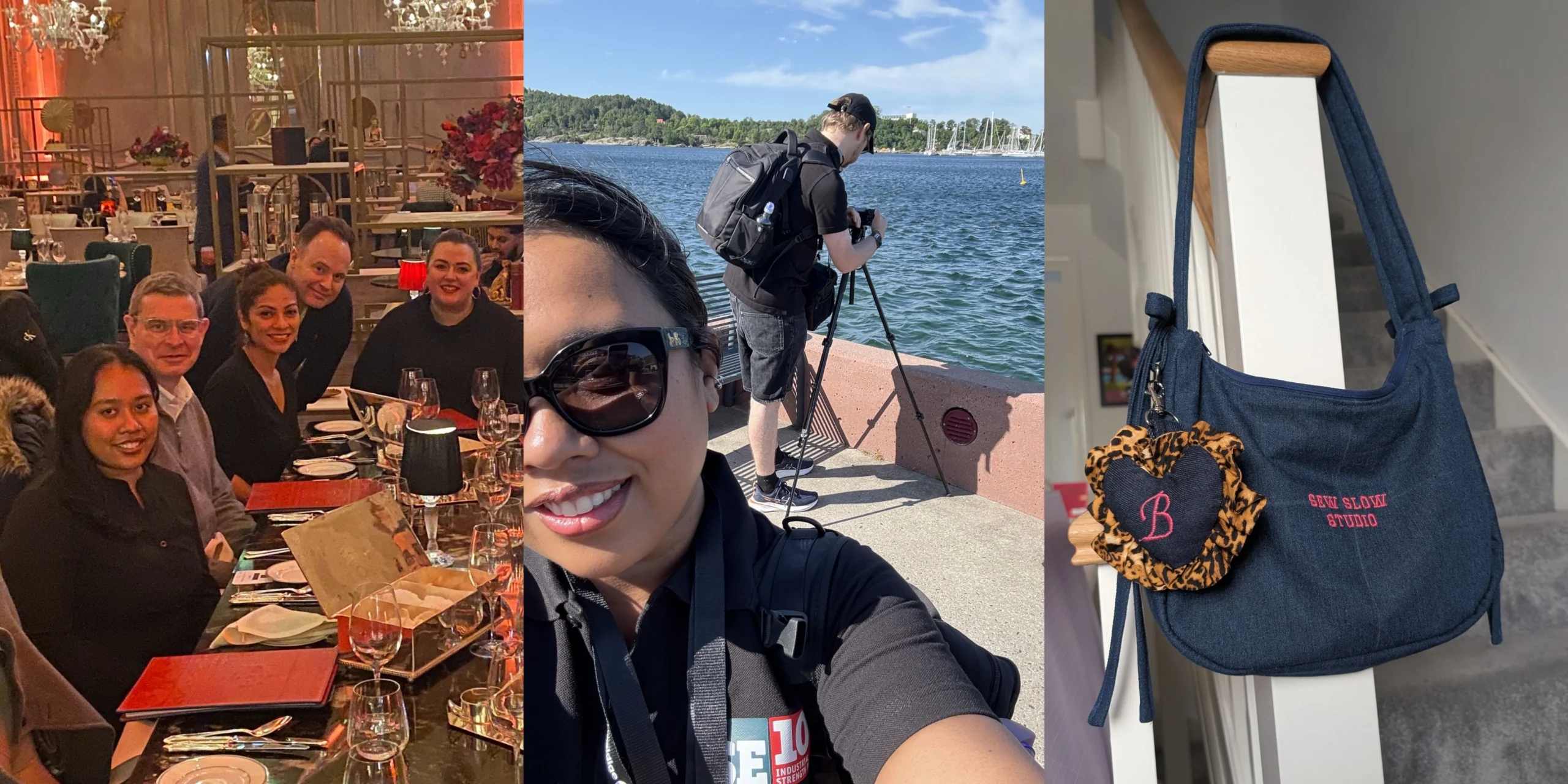
How one year at SE10 has changed our digital marketing manager Bolly
Bolly Methakittiworakun joined SE10 as a digital marketing manager at the beginning of 2025 and it feels as if twelve months have just flown by! A catch-up with Bolly revealed what she believes her highlights, achievements, and lessons have been from her first year working with SE10.
Beyond the buzzword: What thought leadership really means in 2026
Thought leadership is one of the most important — and yet most diluted — concepts in B2B communications. In a landscape shaped by algorithms, hot takes, and generative AI, genuine leadership now demands more than opinion alone: it requires evidence, conviction, a willingness to prioritise depth over volume, and the confidence to be visible beyond owned platforms.

How much editing of PR images is acceptable?
Images and video have long been important assets for representing your brand authentically. As graphics software and generative AI tools become increasingly powerful and accessible, it is vital that authenticity is preserved by not crossing the line from editing to misrepresentation. For industrial brands, where accuracy, trust, and safety matter deeply, knowing where to draw that line is more important than ever.

Why ‘people buy from people’ matters more than ever in the age of AI
At a time when trust in institutions is declining and AI-generated content is flooding the internet, true credibility comes from sharing the authentic experience and insight of named individuals.

How AI is actually changing media relations (and how it isn’t)
Since ChatGPT launched, the conversation around AI has been dominated by in-house efficiency gains but in 2026, we are now seeing a tangible impact on industrial media relations. We share our real-world observations on what has changed, what has stayed the same, and what it means for your industrial brand.

AI, trust, and proactive reputation management in the industrial sector
As reputation is increasingly formed within data systems and AI-driven information environments, companies must shift from reactive communications to proactive, intelligence-led reputation management.
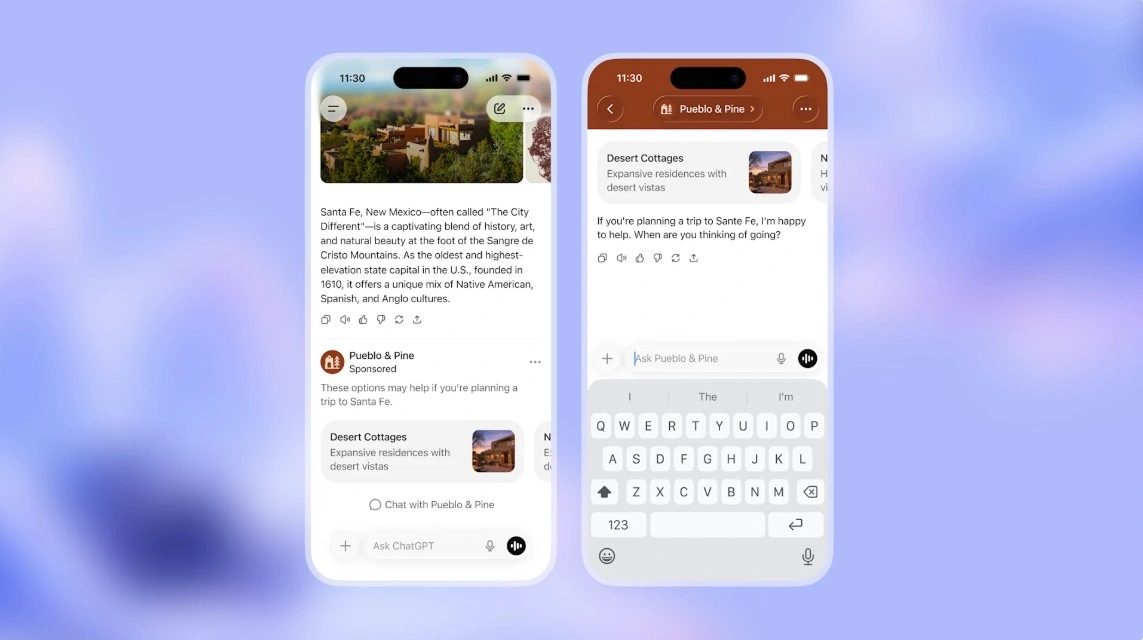
Ads are coming to generative AI – but you still can’t buy trust
As advertising enters AI platforms such as ChatGPT, industrial marketers face a familiar question in an unfamiliar interface: does paid visibility undermine earned authority? The short answer is no – but it does sharpen the difference between being seen and being believed.

Where to start with GEO when you can’t do everything at once
The shift to an AI-driven web can feel overwhelming, a cascade of new demands on already stretched resources. But preparing for it is a logical, phased process, not an everything-at-once panic. Here’s a practical roadmap to guide your efforts.

SEO isn’t obsolete. It’s the foundation for generative engine optimisation (GEO).
As AI changes people’s browsing behaviour, many are asking if SEO is now redundant. The answer is no. Instead, SEO has become the foundation that makes a successful GEO strategy possible.
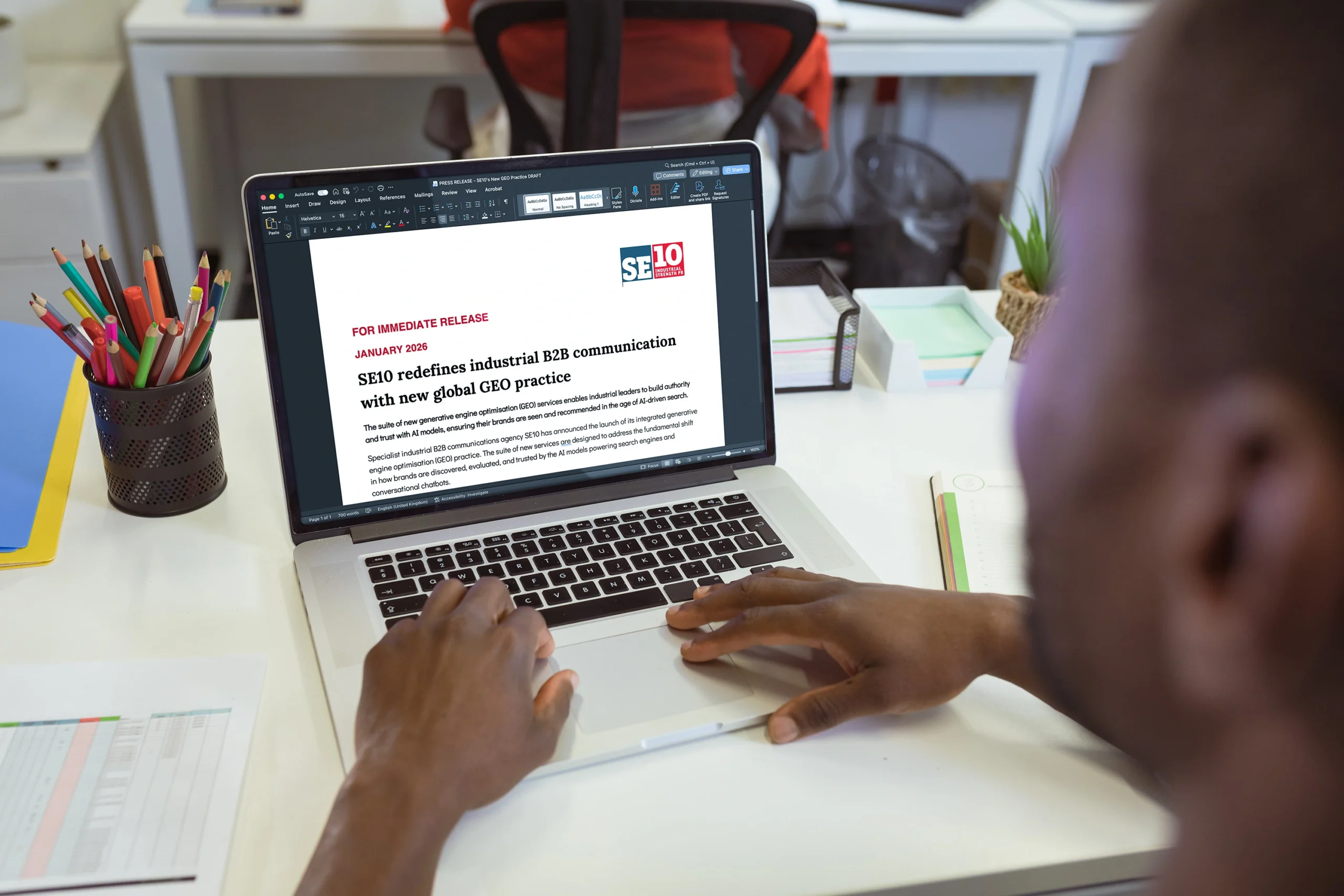
AI can write your press release in under five seconds. Here’s why you shouldn’t ask it to.
The internet is undergoing its biggest architectural shift since the smartphone. AI now acts as a gatekeeper to your audiences, and for industrial businesses that can earn its trust, there are immense awareness and reputational advantages.

Your website is no longer just for humans (and that’s a good thing)
The internet is undergoing its biggest architectural shift since the smartphone. AI now acts as a gatekeeper to your audiences, and for industrial businesses that can earn its trust, there are immense awareness and reputational advantages.
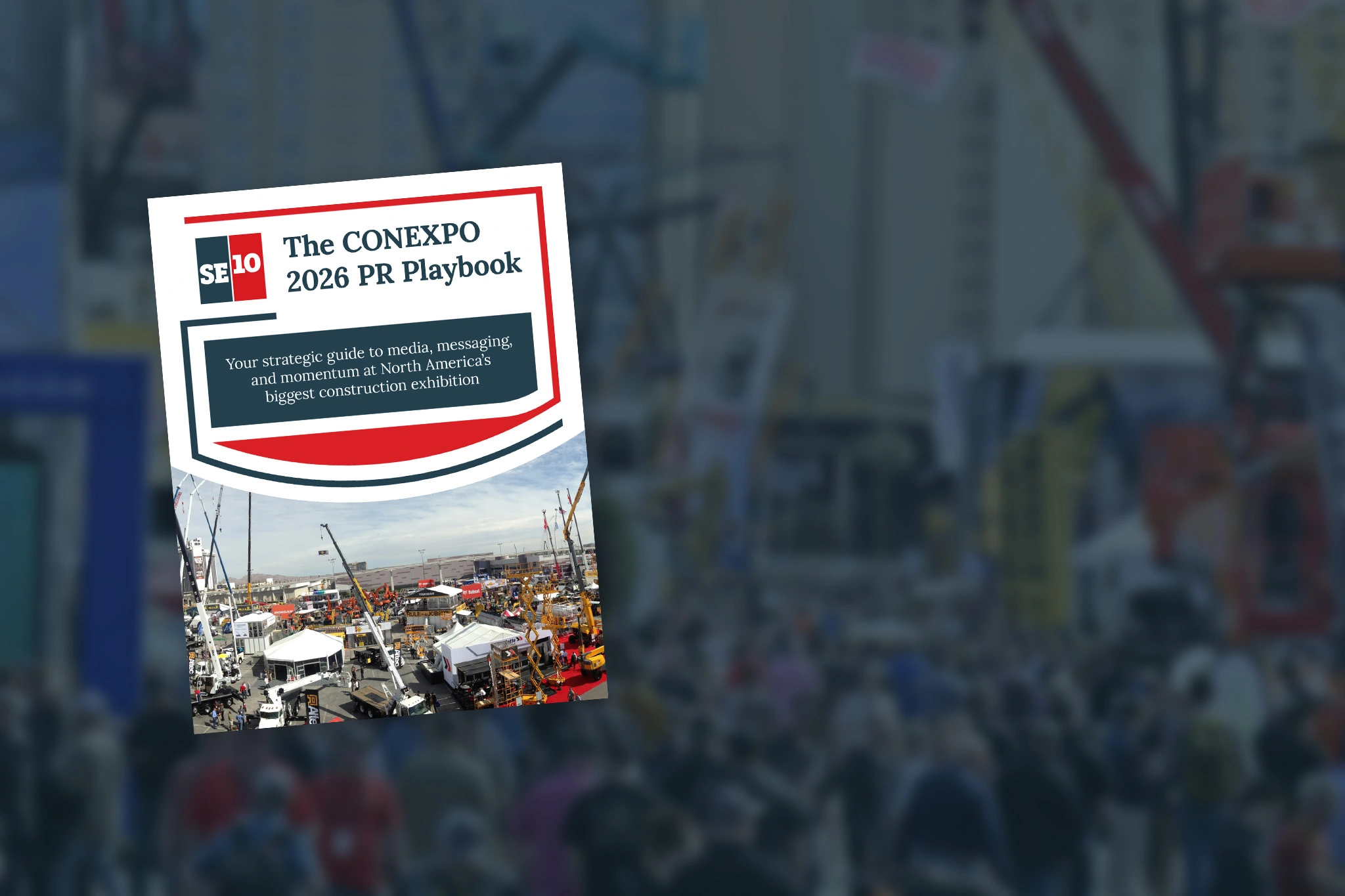
Heading to Vegas in 2026? Why your bauma strategy needs a rewrite
For European construction brands exhibiting at CONEXPO, success requires more than simply shipping the stand from Munich to Las Vegas. It demands a nuanced understanding of how to translate a global message for the unique character and priorities of the North American marketplace.
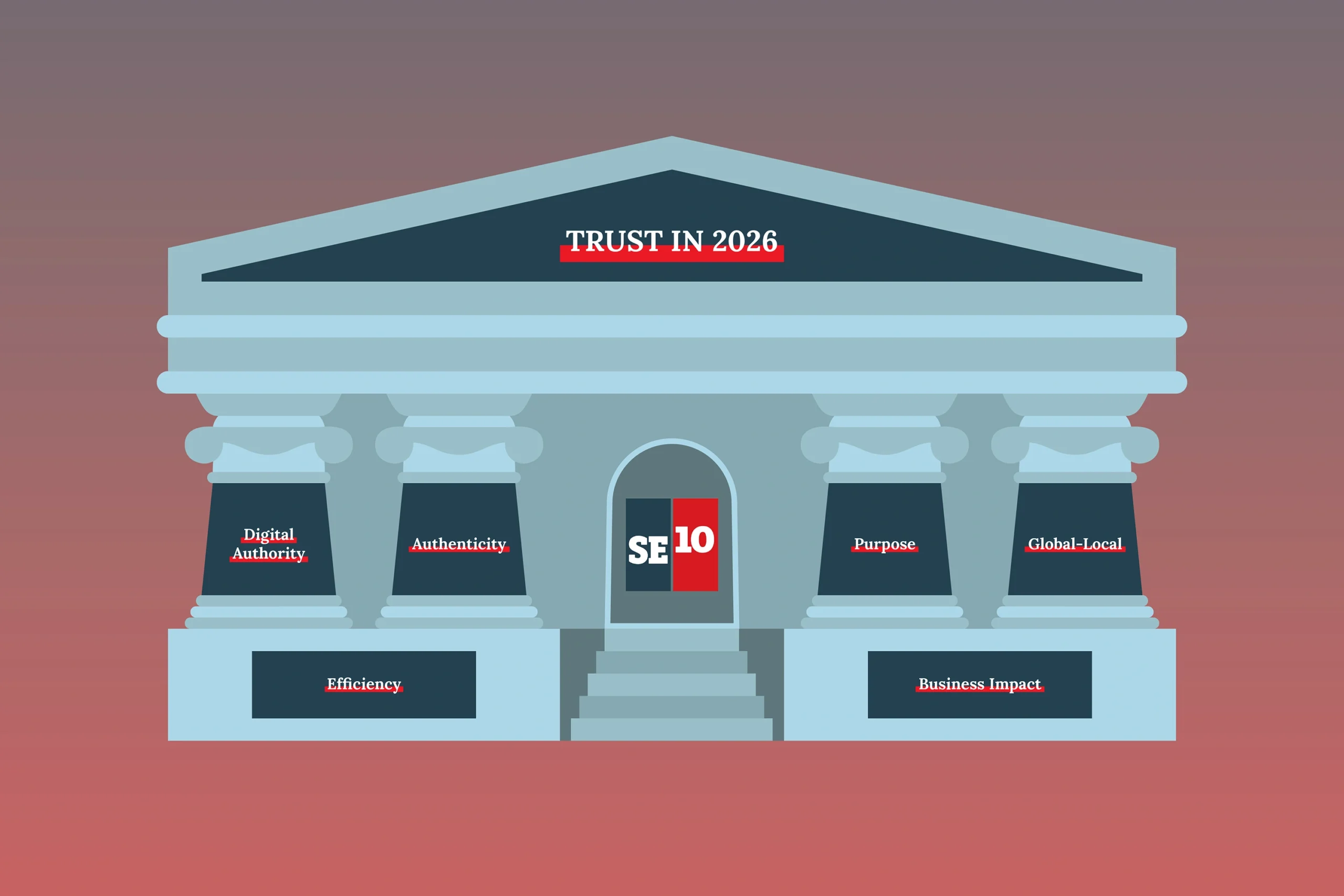
Trust in 2026: The six communication pillars every global industrial brand must tackle
Amid economic, technological, and geopolitical disruption, stakeholder trust is the ultimate currency for global industrial brands — and increasingly difficult to secure and maintain. Generative AI, media fragmentation, and declining confidence in institutions mean trust must be actively built, evidenced, and protected. Drawing on SE10’s experience supporting industrial clients worldwide, we outline six communication pillars that will drive successful, future-proof brands in 2026.

The PR resolutions shaping SE10’s direction in 2026
What will effective industrial communication look like in 2026? The SE10 team shares the PR resolutions that will shape our approach to strategy, storytelling, and media visibility in the year ahead.

How our values of reliability and accountability make SE10 a true communications partner
Every client seeks a PR agency they can trust completely. In the last of our values mini-series, our UK Associate Director Hannah Kitchener explains how at SE10, that trust is built on two principles: the reliability that ensures seamless service and the accountability that translates every communication investment into measurable, strategic growth.

Our values in action: What ‘humanity’ means at SE10
In our industrial communications niche, the human touch isn’t just a feel-good factor, it’s a competitive edge. In the third part of our values mini-series, our UK associate director Hannah Kitchener explains how SE10 applies empathy and consistency to build lasting trust and uncover the authentic human narratives that deliver brand impact.

But why? The simple question that unlocks your industrial story
In the second post of our SE10 values mini-series, our UK associate director Hannah Kitchener shares her personal view on how deep-seated curiosity is the key to simplifying technical jargon, uncovering valuable stories, and ensuring your brand message cuts through the noise.

Sparking creativity and why boredom can be a superpower in B2B communication
In the first post of our mini-series on SE10 values, our UK account director Hannah Kitchener shares her personal take on how creativity doesn’t always happen under pressure, but rather when you’ve stepped away, quieted the noise, and allowed your subconscious to connect the dots.

SE10 predicts the top B2B PR trends of 2026
B2B PR is a discipline that’s as strategic as it is creative. After a transformative 2025 that saw rapid advances in technology, creativity, and collaboration, SE10 PR is already setting its sights on what’s next. In this latest blog, our team explores the key trends they predict will shape the future of B2B communications in 2026. We’re looking intently at the integration of AI into everyday PR workflows to the growing importance of measurable sustainability and data-led storytelling, to reveal insights as to where the industry is heading, and how SE10 continues to innovate, adapt, and lead in an ever-evolving communications landscape.
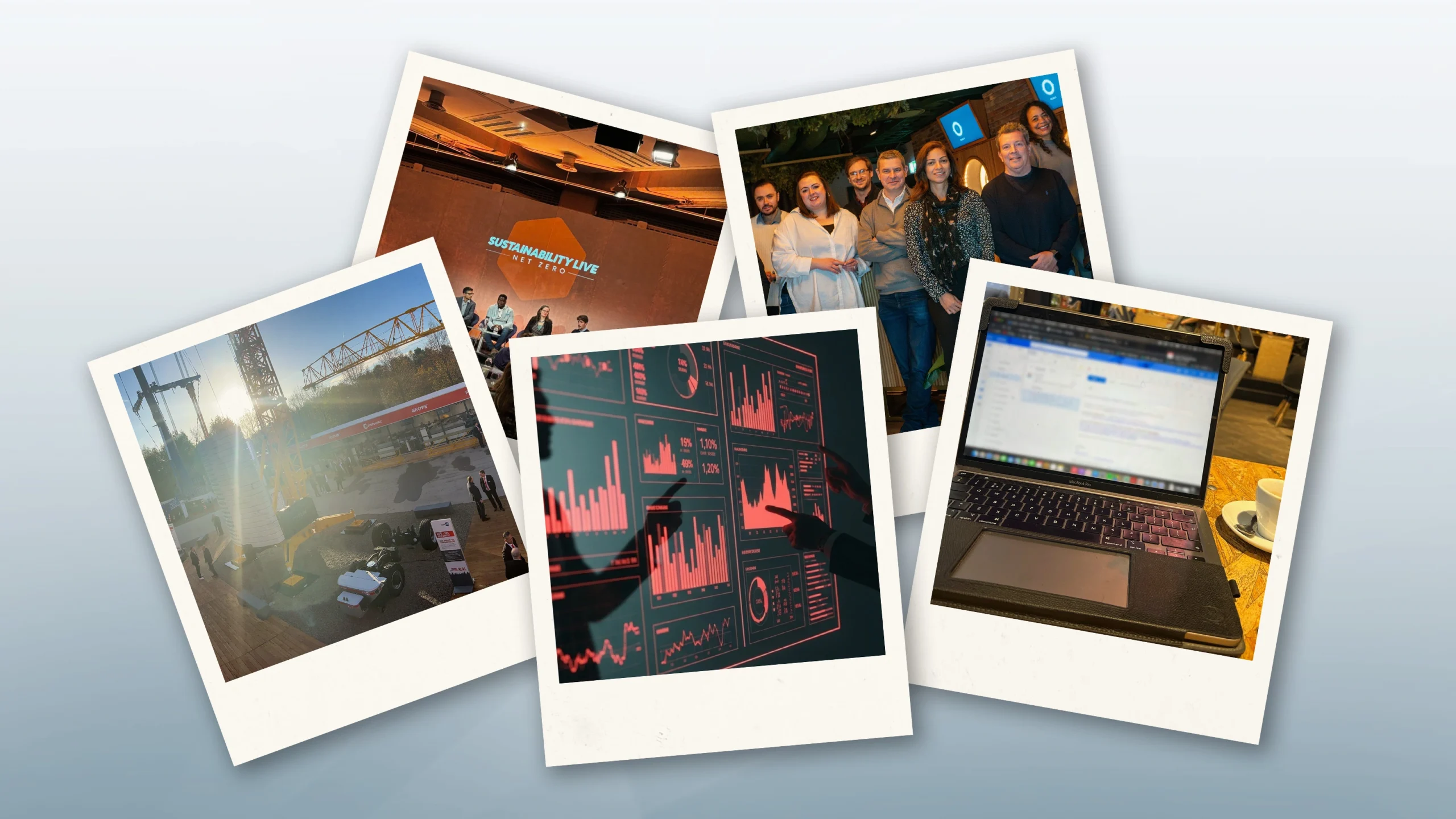
2025’s top industrial communication challenges and what they mean for your strategy in 2026
The data from our most read blog posts of 2025 confirms the central challenges that have defined the year for industrial B2B marketing and communications leaders. It highlights a clear strategic agenda for 2026, focused on proving commercial value and the power of the human touch.
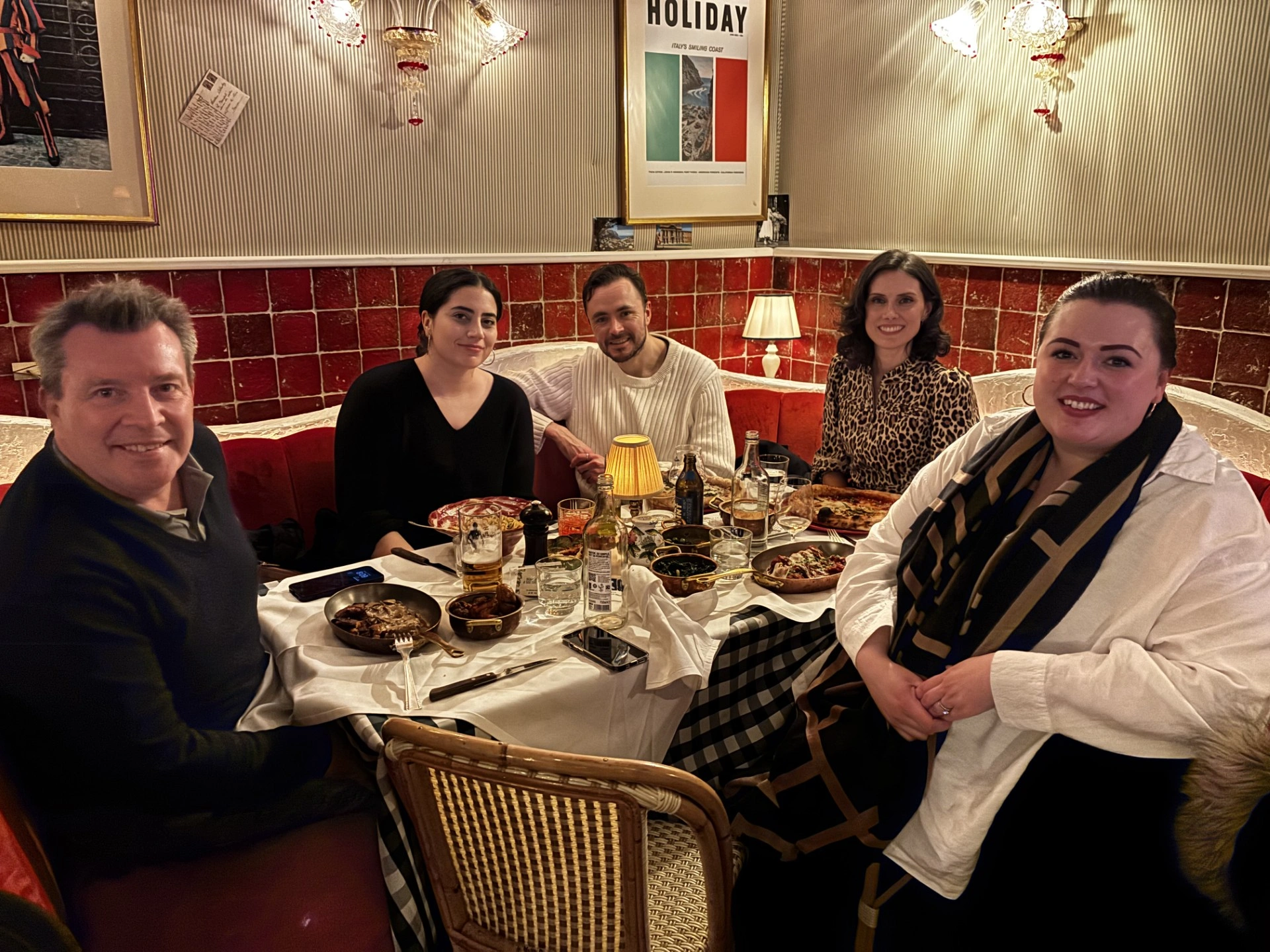
Trust, travel and tech: SE10’s highlights of 2025
As 2025 comes to a close, SE10 is proud to celebrate the achievements, creativity, and commitment of our global team, in London, Chicago, and Singapore. From delivering standout communications campaigns to reaching personal and professional milestones, our colleagues have continued to embody the values that make SE10 a trusted partner for industry storytelling.
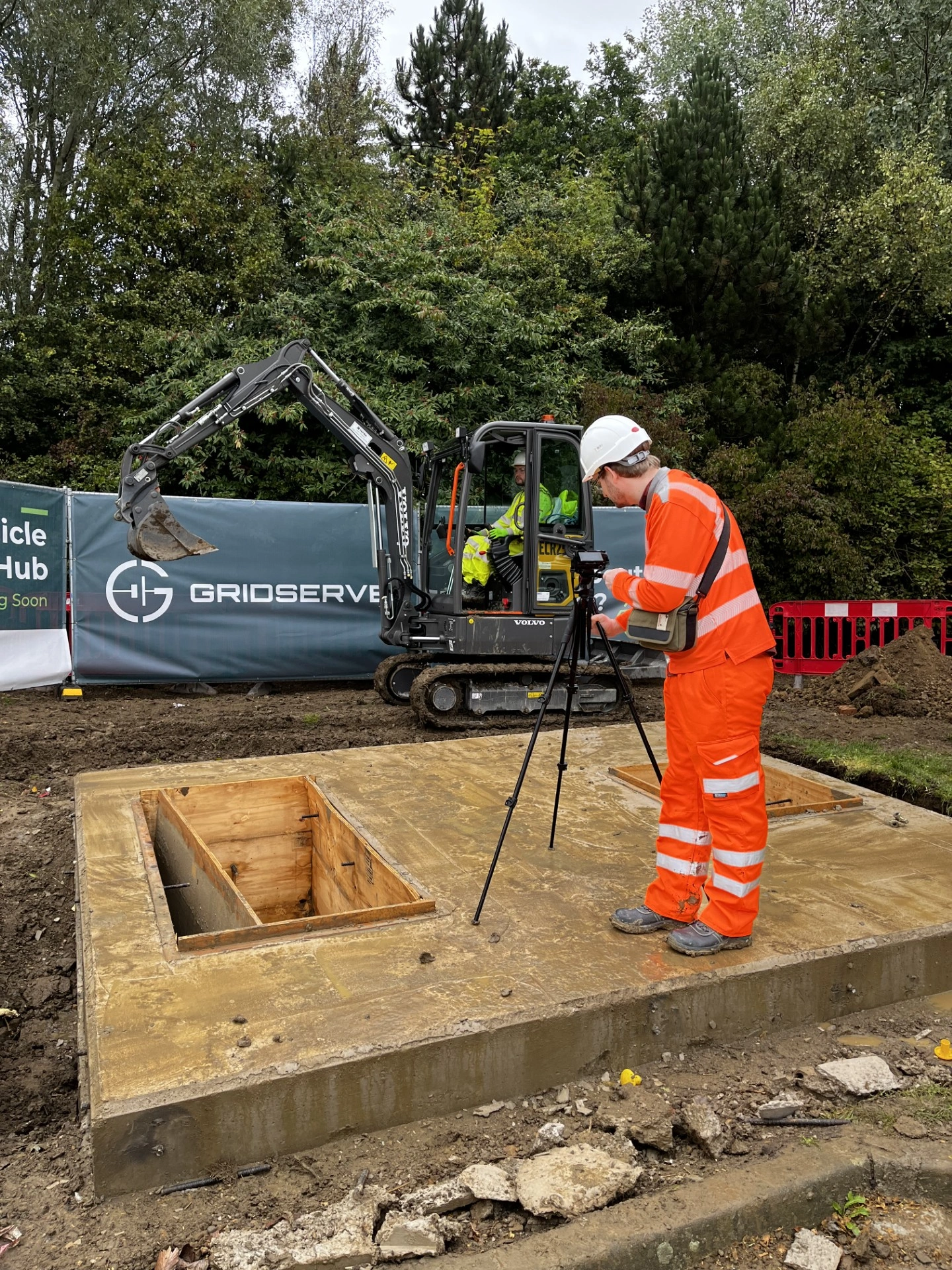
Why customer stories matter in construction PR – and how to make them work for you
When done well, customer stories offer construction brands a chance to demonstrate their value in the real world – building trust, strengthening relationships, and earning meaningful media coverage in the process.

The art and science of B2B headline writing
Once, headline writing was about making a journalist smile with a clever pun. Now, it’s about making sure algorithms and AI models see the right keywords and brand names. But the truth is, the most effective headlines satisfy both audiences. Here’s a look at how the craft of B2B headline writing has evolved and how as a specialist industrial communications agency we’re adapting our approach.
How SE10 works with clients: Flexible partnerships, clear expectations
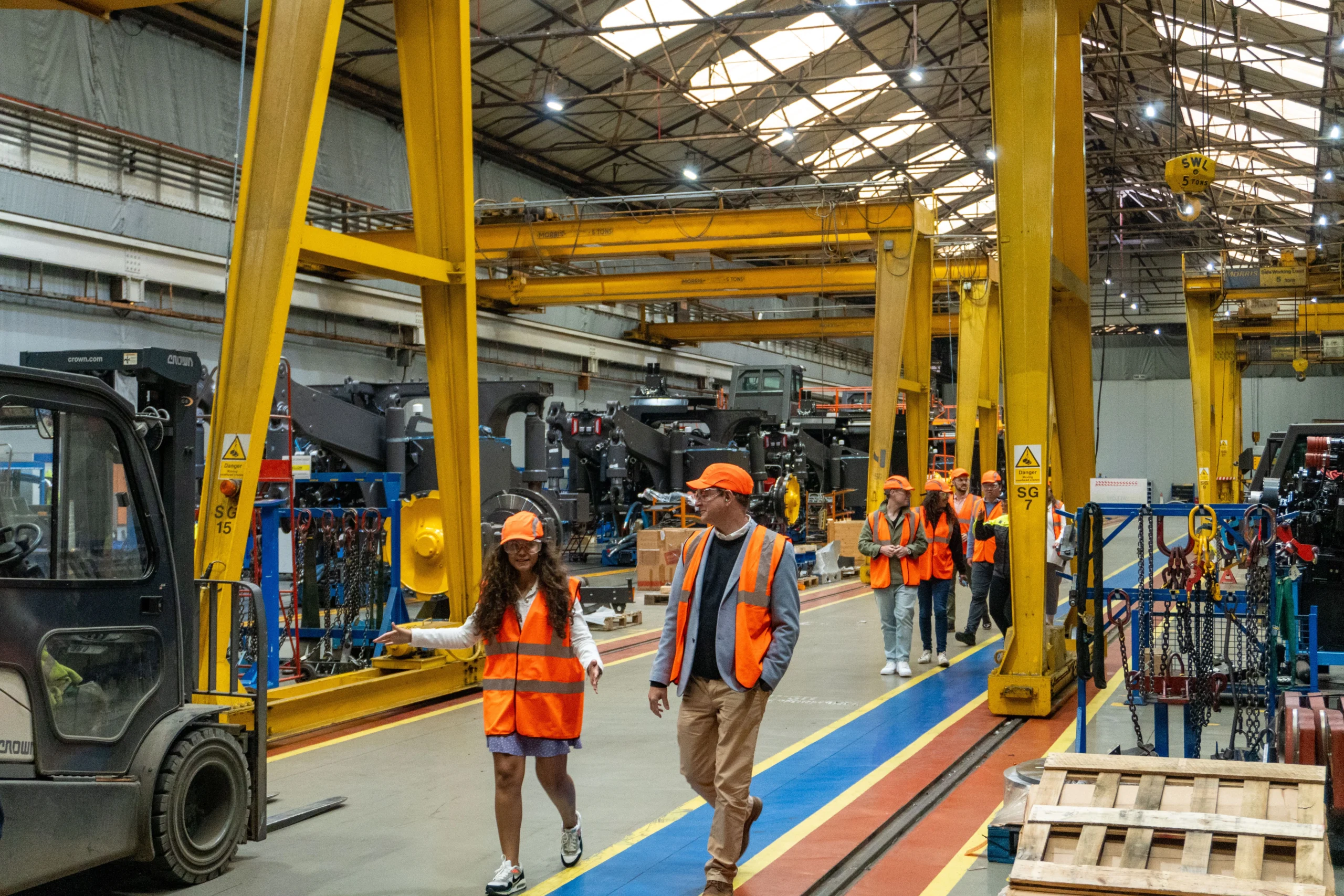
We’re often asked at SE10: how do you work with clients? It’s a simple question – but one that speaks volumes. What people really want to understand is: how will our team fit in, and what will it be like to work together?

Beyond the specs: What construction equipment design communicates
Design has always been a key but underrated factor in how construction equipment is perceived and marketed. As the sector evolves, it will only become more important for establishing a manufacturer’s identity and telling their story.

To translate or not to translate: are local language press releases still necessary?
Over the past 23 years, SE10 has advised B2B industrial clients on how best to manage translations – particularly for international brands with global market presence. The approach has always been nuanced and we’ve recommended what’s best based on individual companies and goals. But with the rapid acceleration of generative AI, we are noticing some changes in how translations are appearing that we believe are here to stay.

Beyond turnover: Why SE10 staff build careers, not just campaigns
From eight to 15 years and counting – meet the team members who’ve helped shape SE10 over the long haul. Their reflections offer insight into what makes people stay at a PR agency – and what sets us apart.

What happens when AI image generation makes your brand the default?
We asked Google Gemini to generate an image of a construction site and the unbranded excavator it featured looked very much like a Caterpillar. Is this the ultimate branding victory or a dangerous slide into genericism and risk?
Thinking of launching an industrial podcast? Here’s some practical advice to start.
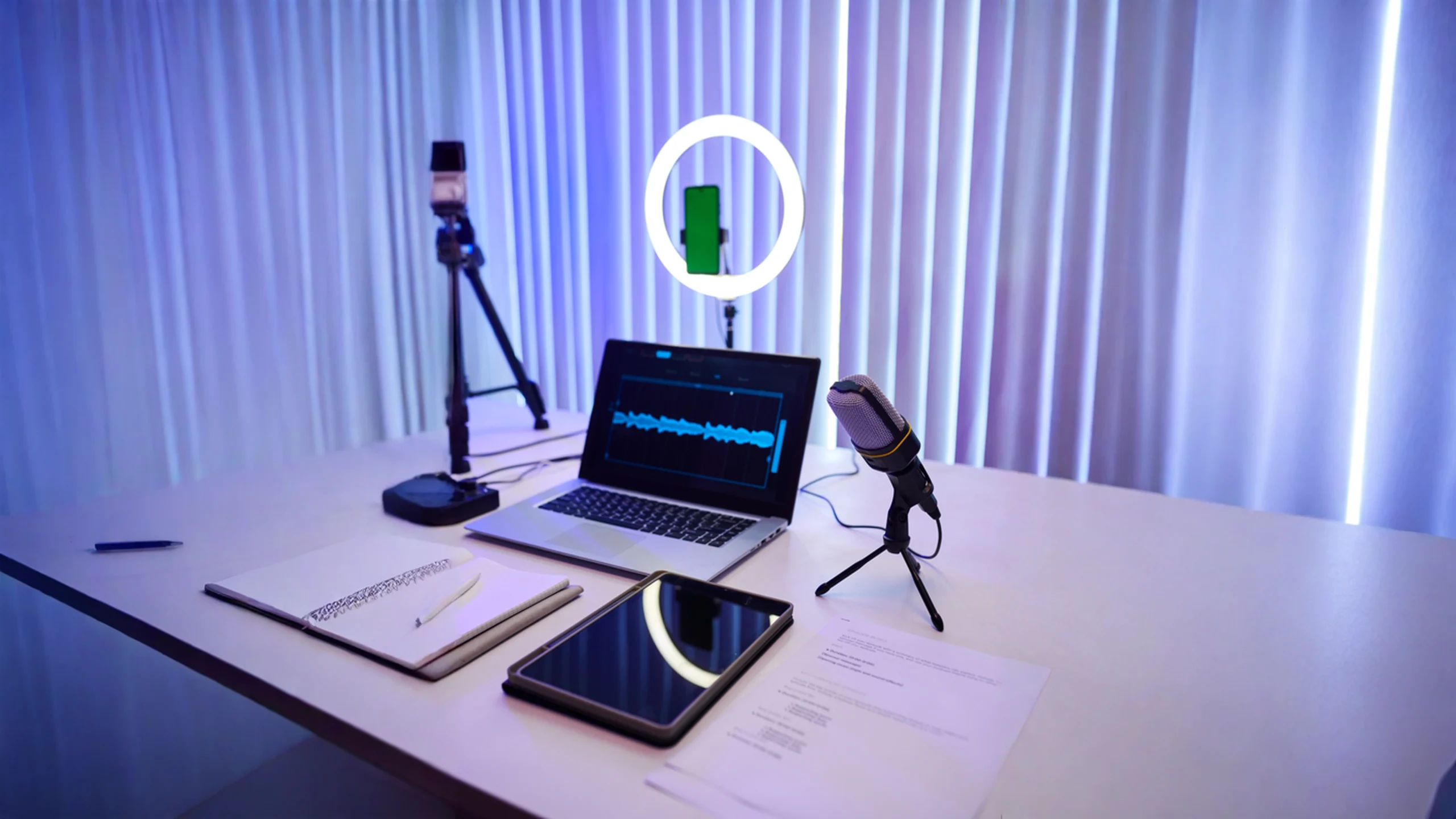
Podcasts offer an ideal format for exploring complex topics, such as those in the industrial B2B world, but the idea of creating a show can feel intimidating. Let us take you through the process, from planning to promotion, focusing on strategy over studio polish.
Translating complexity: How SE10 collaborates with industrial subject matter experts
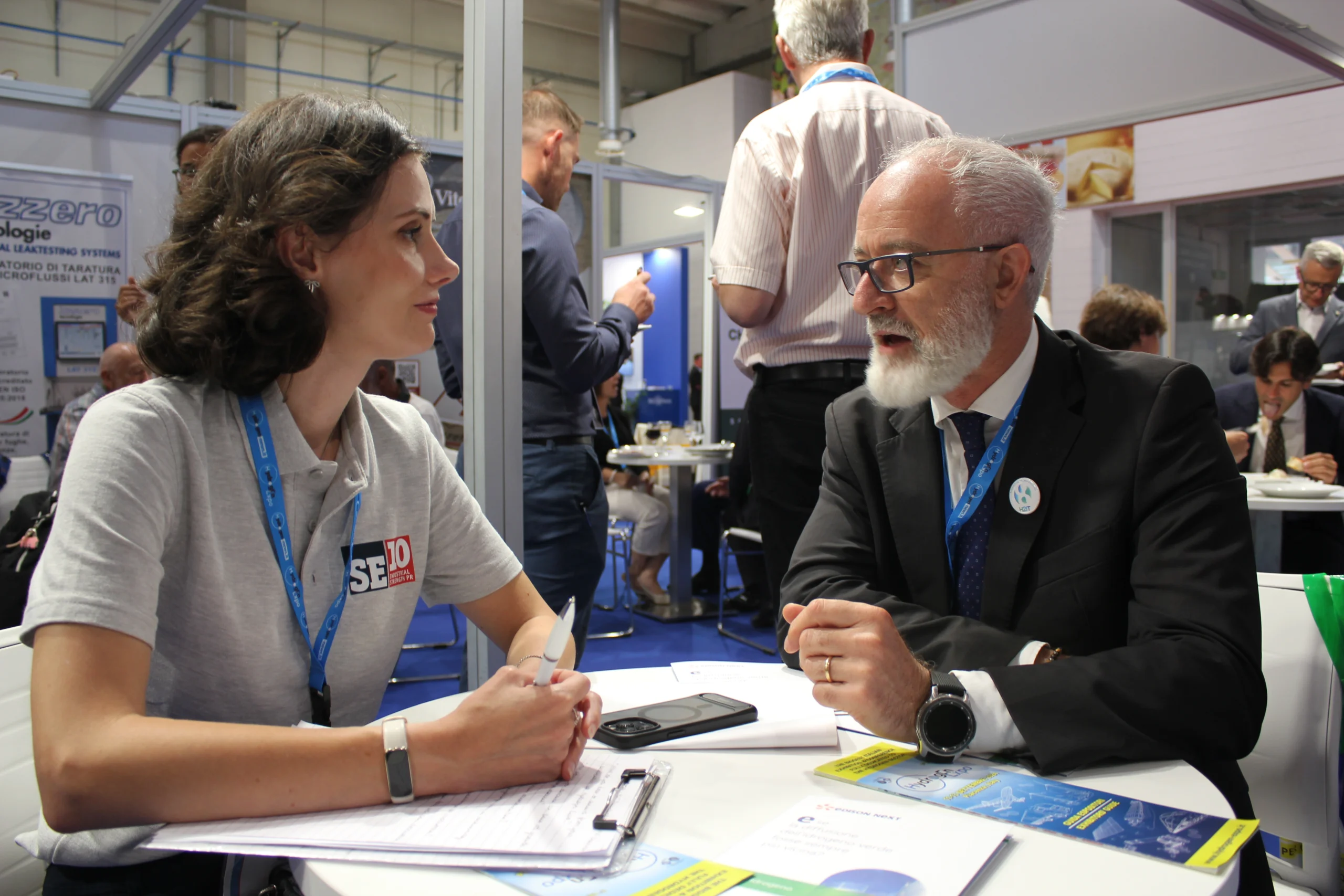
Hannah interviewing Luigi Crema, vice-president of H2IT (the Italian Hydrogen Association) and director of the Bruno Kessler Foundation’s Research Centre for Sustainable Energy.

Your AI-generated customer looks perfect. But have you lost your credibility?
The allure of a perfect AI-generated testimonial is understandable, but as this tactic moved from theory to reality at a recent construction tradeshow, it posed the question: is a flawless image worth potential damage to your brand’s reputation?