You’re an expert in your field but not an experienced public speaker – and that’s okay. Here we share SE10’s approach to interview preparation, offering some practical thoughts and techniques for sharing your expertise with confidence.
If you can solve complex technical problems or lead challenging engineering projects but the thought of a media interview feels intimidating, you’re not alone.
The good news is that with the right preparation and mindset, a media interview can be a genuinely enjoyable and rewarding experience. The goal is not to become a slick robot that repeats pre-programmed responses but to allow your authentic expertise and personality to shine through.
1. The most important thing to know: It's a conversation, not an interrogation
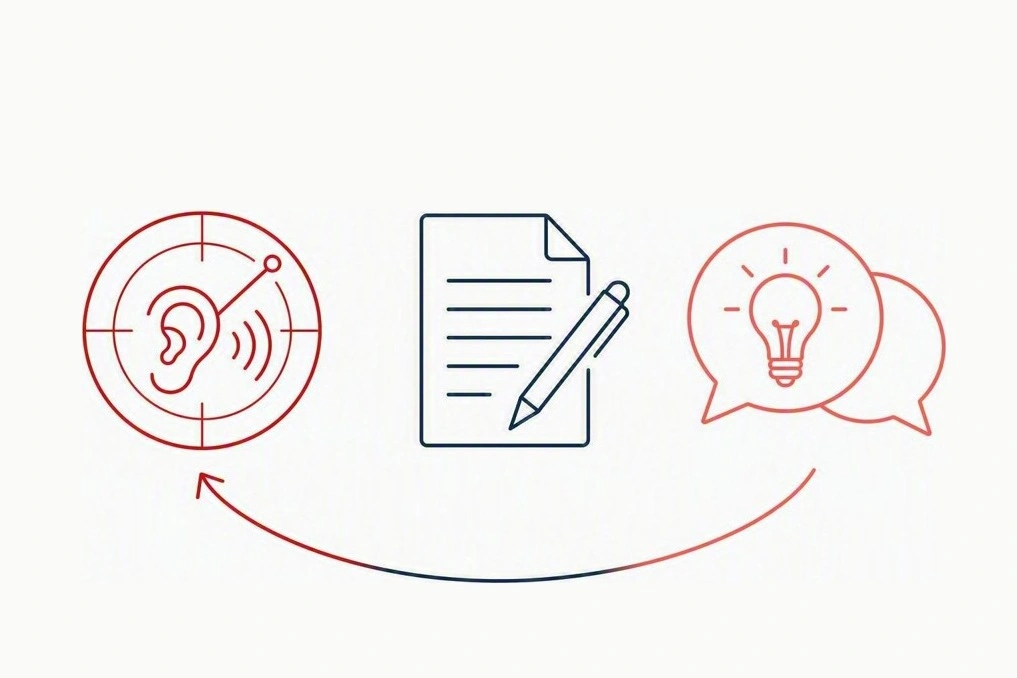
The first step we always take when working with first time media interviewees at SE10 is to help reframe the entire event. A media interview is not a test where you are on the defensive. It is a conversation between two curious professionals.
Journalists often have a lot of knowledge about the subjects they typically cover, especially when it has been accumulated over many years. But they are not experts in your particular work. Remember, their expertise lies in telling compelling stories and they need help from an expert in another field (you) to do their job well. You are not a subject to be interrogated; you are an invaluable source of insight.
2. Understanding your interviewer: The trade media mindset
For most first-time spokespeople in the industrial sector, your interview will not be with a hard-nosed investigative reporter. It will be with a specialist trade journalist. In our experience, these are some of the most knowledgeable, friendly, and understanding people in the business.
Their motivation is not to create an exposé or find a ‘gotcha’ moment. They are genuinely curious about technology, innovation, and solving industry challenges. They want to build a long-term relationship with you. A good spokesperson is a vital asset to a journalist – a reliable source they can return to for future stories.
Because of this collaborative spirit, some trade journalists are happy to share a draft of their article before publication – unlike mainstream business media such as The FT, which would never do so. Remember, this is a professional courtesy to allow you to check for technical accuracy, not an opportunity to rewrite the piece. And as you become more comfortable with the process, our team can help you prepare for a wider range of media, which may have different editorial policies.
Despite the friendly nature of the industrial trade press, however, the golden rule of media relations always applies: never say anything ‘off the record’ that you would not be comfortable seeing in print.
3. The art of preparation: Setting yourself up for success
Confidence comes from preparation and your PR agency’s job is to ensure you walk into the conversation feeling fully prepared. This process typically involves:
• An interview briefing: You should receive a detailed document that includes the journalist’s background, recent articles they’ve written, a profile of their publication’s audience, and the key topics they are likely to cover.
• Defining your three key messages: Together with your agency partner, you should agree on the three core points you want to communicate. This gives you a strategic home base to return to throughout the conversation.
• The gentle rehearsal: A short, informal practice session to run through potential questions is invaluable for getting comfortable with your messages and building confidence.
4. Finding your comfort zone: Building up to your first interview
There’s no need to jump into the deep end. We always advise a crawl-walk-run approach to build experience and confidence.
• The safest start (written Q&A): For your very first interaction, handling an editor’s questions via written responses is a great, low-risk way to begin. It gives you full control over the final wording and removes the pressure of a live conversation. Your agency partner can even help you to draft or polish the answers.
• The controlled conversation (virtual interview): The next step up is a video call. With a detailed briefing and your PR partner on the call for support, you can have a guided conversation from the comfort of your own office.
• The in-person interview (on your turf): For a first face-to-face interview, we recommend controlling the environment. Hosting the journalist at your own facility or a company event puts you in a position of comfort and authority.
Remember, you are the expert
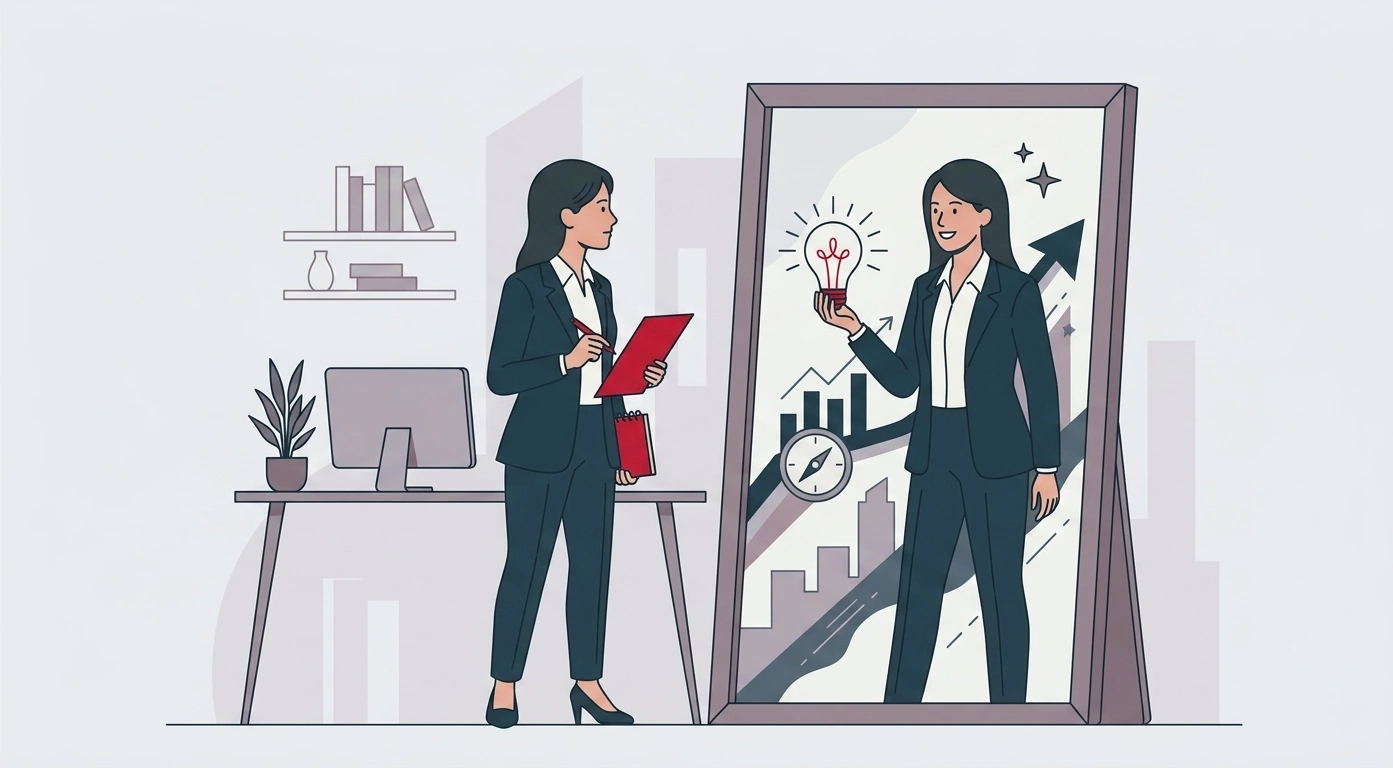
The goal of this process is not to change who you are. It is to give you the preparation and the framework needed to be yourself: a confident, authentic expert sharing your valuable knowledge.
The techniques in this blog post provide a foundational approach for any first-time interview. For those facing particularly high-stakes opportunities – such as a major broadcast interview or a panel discussion at a key industry event – a more formal and structured media training session can be an invaluable investment. It’s the next level of preparation, designed to build the deep-seated confidence needed to handle any situation with ease.
At SE10, our support is tailored to your specific needs. Our role is to ensure your experts feel prepared and confident every step of the way, whether that’s through a simple briefing document or a comprehensive training programme.
If you’d like to discuss whether a strategic briefing session or a more formal media training programme is the right fit for your team, let’s start a conversation. Get in touch.

Hannah Kitchener
Associate Director
About the author
Hannah is an associate director in the UK, leading strategic campaigns for industrial clients across the EMEA region. A professionally qualified journalist (NCTJ), she combines specialist sectoral knowledge in construction, energy, and materials handling with a strong network of trade media contacts to secure valuable coverage. Her expertise in inter-cultural communication, honed by degrees in modern languages and translation, is key to executing campaigns that succeed across diverse European markets.