


What industrial journalists want: A guide to providing press-ready images
A compelling image is frequently the first thing that catches the eye in a news story, which makes providing one a priority when preparing a press release. Understanding what makes an image grab attention in a crowded, sceptical, and increasingly visual media landscape should therefore be a core part of your PR strategy.
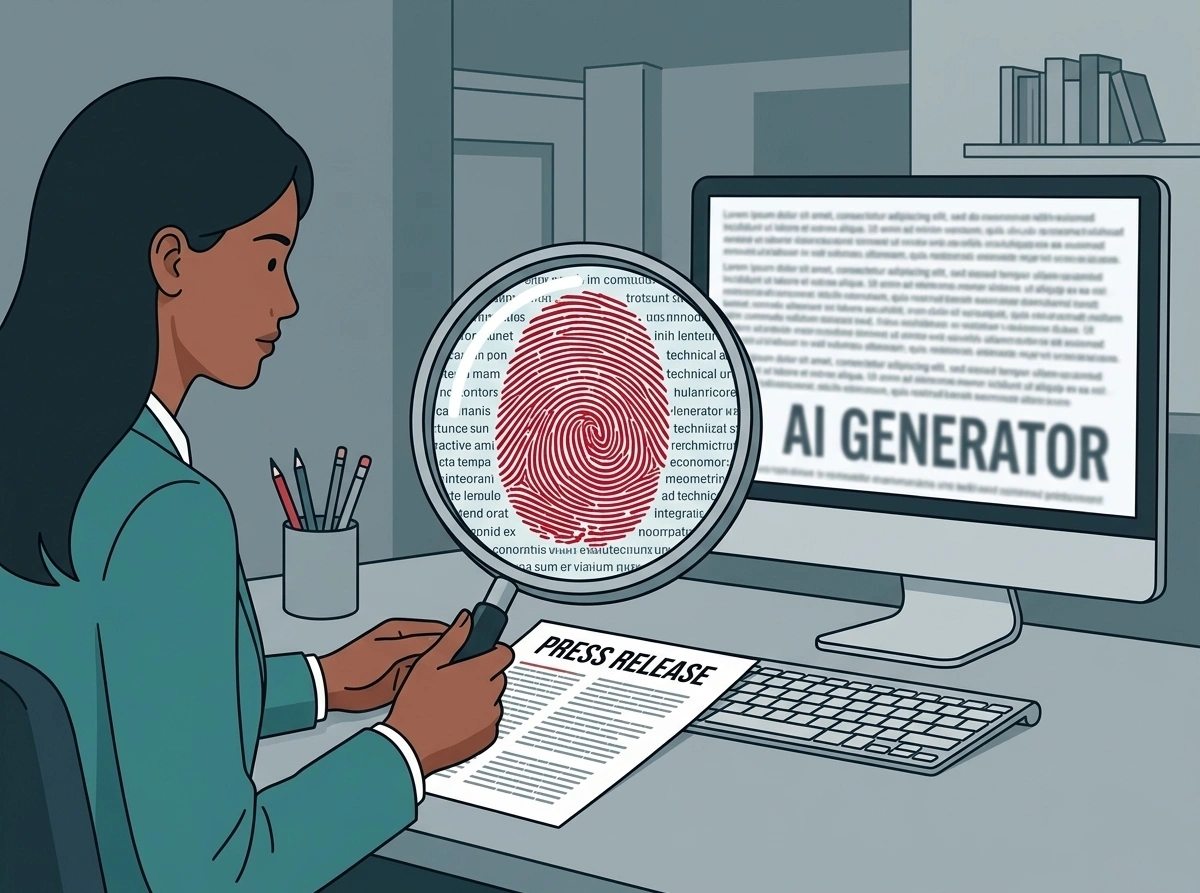
Why editors are calling out press releases as AI – even when they’re not!
Editors are describing press releases as ‘AI-generated’, even when AI hasn’t been involved in the writing process. Rather than making a literal judgement about authorship, they are more likely reacting to the fact that when generative AI makes polished writing effortless and accessible to all, credibility now comes from evidence that only the organisation itself could provide.

When editors say your press release is ‘too promotional’, this is what they actually mean
Few pieces of editor feedback frustrate marketing teams more than hearing a press release described as ‘too promotional’. After all, most press releases are designed to generate positive awareness and support commercial goals. So what are editors actually objecting to? In our experience, the answer is rarely promotion itself; rather a lack of evidence, relevance, or substance behind the claims being made.

Is Friday a bad day to send a press release? What our B2B distribution data tells us
Friday press releases aren’t as risky as many PR professionals believe, but they’re not without challenges. Analysis by SE10 of almost 350 press release distributions reveals why visibility isn’t the problem, and where engagement begins to drop off as the weekend approaches.
Why your press release is no longer the finished article
At SE10, we write press releases journalistically so editors can use them quickly and easily if they choose. Increasingly, though, we are seeing trade publications rewrite headlines, intros, and story framing far more actively than they once did. This shift says less about the quality of press releases and more about how trade media itself is evolving around search, audience behaviour, and AI-driven discovery.

Your press release is everywhere – but is anyone reading it?
Newswire distribution can place a story on hundreds of websites within hours. That visibility still has clear uses, from disclosure obligations to discoverability. But as automated syndication and AI-generated content reshape the digital information landscape, communications teams may need to think more carefully about where their stories appear, how they are interpreted, and what kind of visibility actually creates value.

Stop competing with your partners: Why a shared story earns more impactful media coverage
When multiple parties all have a great story to tell about the same project, competing for attention with the same media is a losing game. We discuss how a collaborative, story-first approach delivers better results for everyone.
You can’t control what the media publishes. Here’s what you can do instead.
Once an interview is done, editorial control sits with the publication – not the brand. For communications leaders in industrial B2B sectors, that can feel uncomfortable. Understanding what you can influence, what you can’t, and where copy approval actually fits is key to managing risk and building stronger media relationships.

Why your one big PR announcement didn’t make the impact you expected
Focusing on one-shot stories can be tempting for reasons of efficiency or budget, but even groundbreaking industrial news can fail to capture attention if it lands in a vacuum. We explore why you need currency with B2B editors and their readers – and how to build it.

Your first media interview: A practical look at turning nerves into confidence
You’re an expert in your field but not an experienced public speaker – and that’s okay. Here we share SE10’s approach to interview preparation, offering some practical thoughts and techniques for sharing your expertise with confidence.

Is mobile-first always the right approach for industrial B2B PR?
While mobile dominates many areas of digital communication, journalist engagement with press releases may follow a different pattern – particularly in technical, trade-focused sectors.

How AI is actually changing media relations (and how it isn’t)
Since ChatGPT launched, the conversation around AI has been dominated by in-house efficiency gains but in 2026, we are now seeing a tangible impact on industrial media relations. We share our real-world observations on what has changed, what has stayed the same, and what it means for your industrial brand.
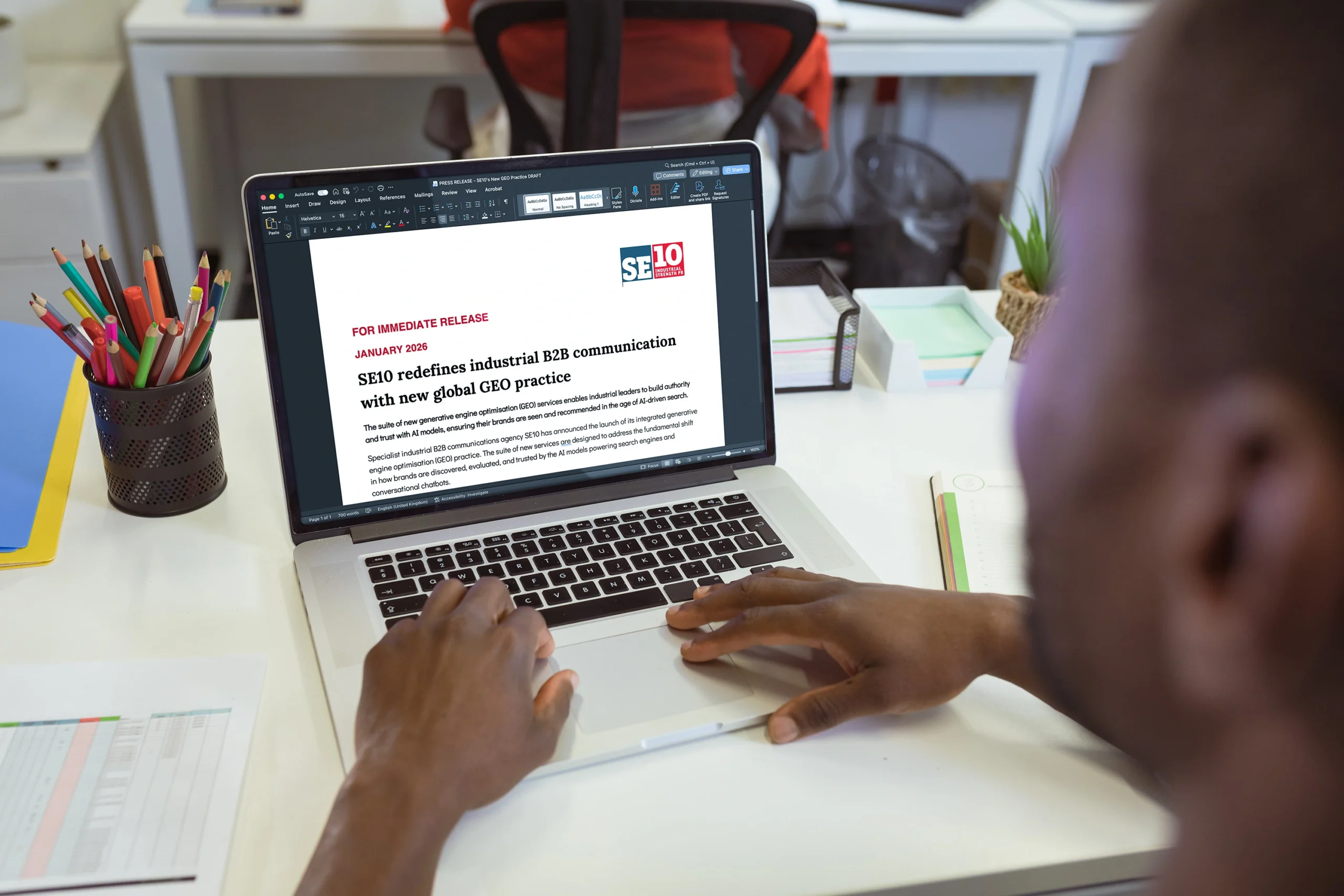
AI can write your press release in under five seconds. Here’s why you shouldn’t ask it to.
The internet is undergoing its biggest architectural shift since the smartphone. AI now acts as a gatekeeper to your audiences, and for industrial businesses that can earn its trust, there are immense awareness and reputational advantages.
To translate or not to translate: are local language press releases still necessary?
Over the past 23 years, SE10 has advised B2B industrial clients on how best to manage translations – particularly for international brands with global market presence. The approach has always been nuanced and we’ve recommended what’s best based on individual companies and goals. But with the rapid acceleration of generative AI, we are noticing some changes in how translations are appearing that we believe are here to stay.