Key takeaways
• Most fragmented communications are caused by alignment happening too late, not by teams refusing to collaborate.
• Planning around individual assets often leads to duplicated effort, missed opportunities, and disconnected storytelling.
• Early visibility between media relations, social, digital, and campaign teams changes what gets captured and how content works together.
• A story-first approach helps industrial organisations create more coherent campaigns without restructuring teams or replacing agencies.
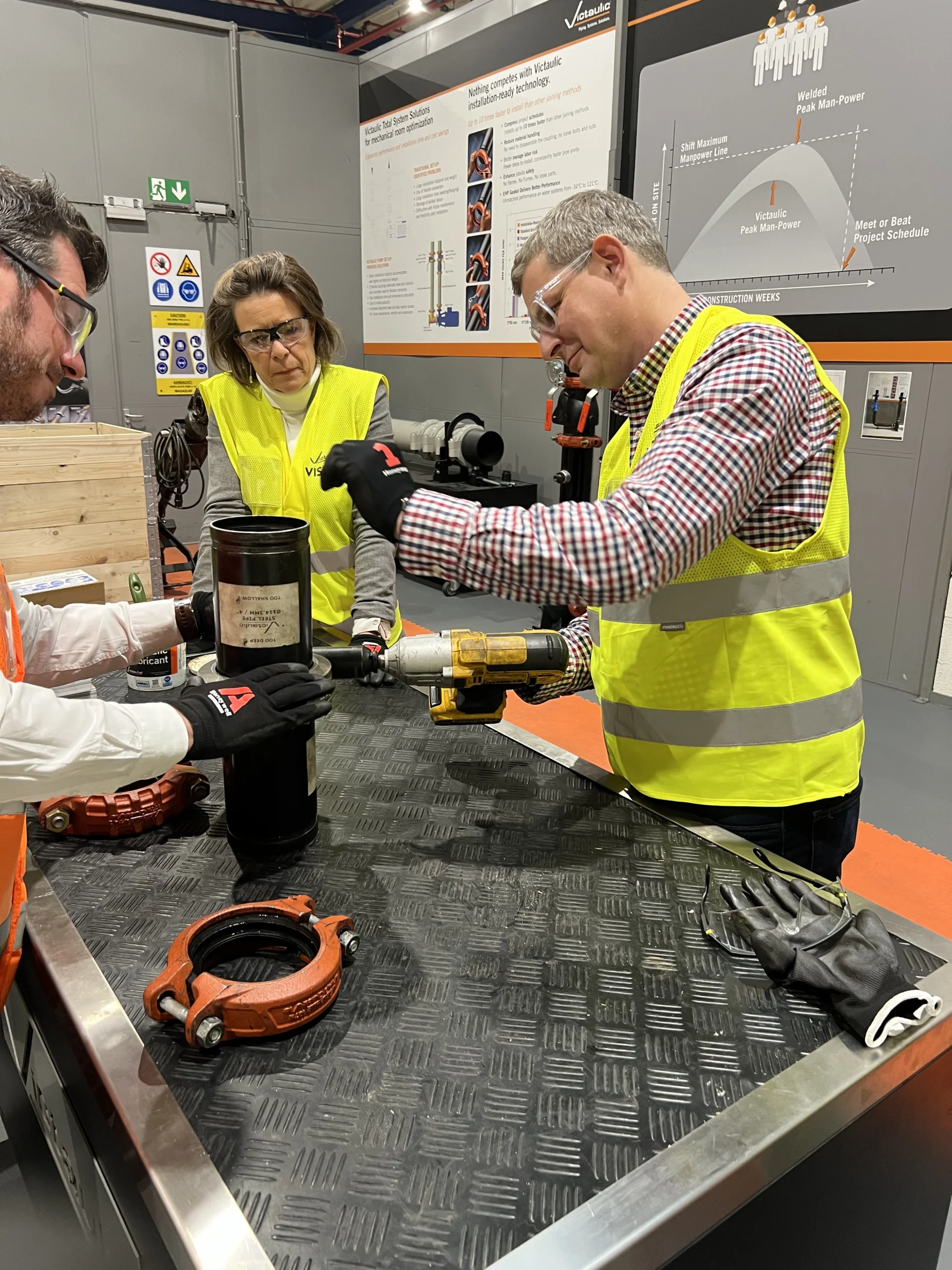
It’s a scenario we see play out all the time. A fantastic customer case study is filmed on a job site. The video, produced by a specialist agency, looks great. Weeks later, it is passed to the PR team with a simple request: “Can you get some media coverage out of this?”
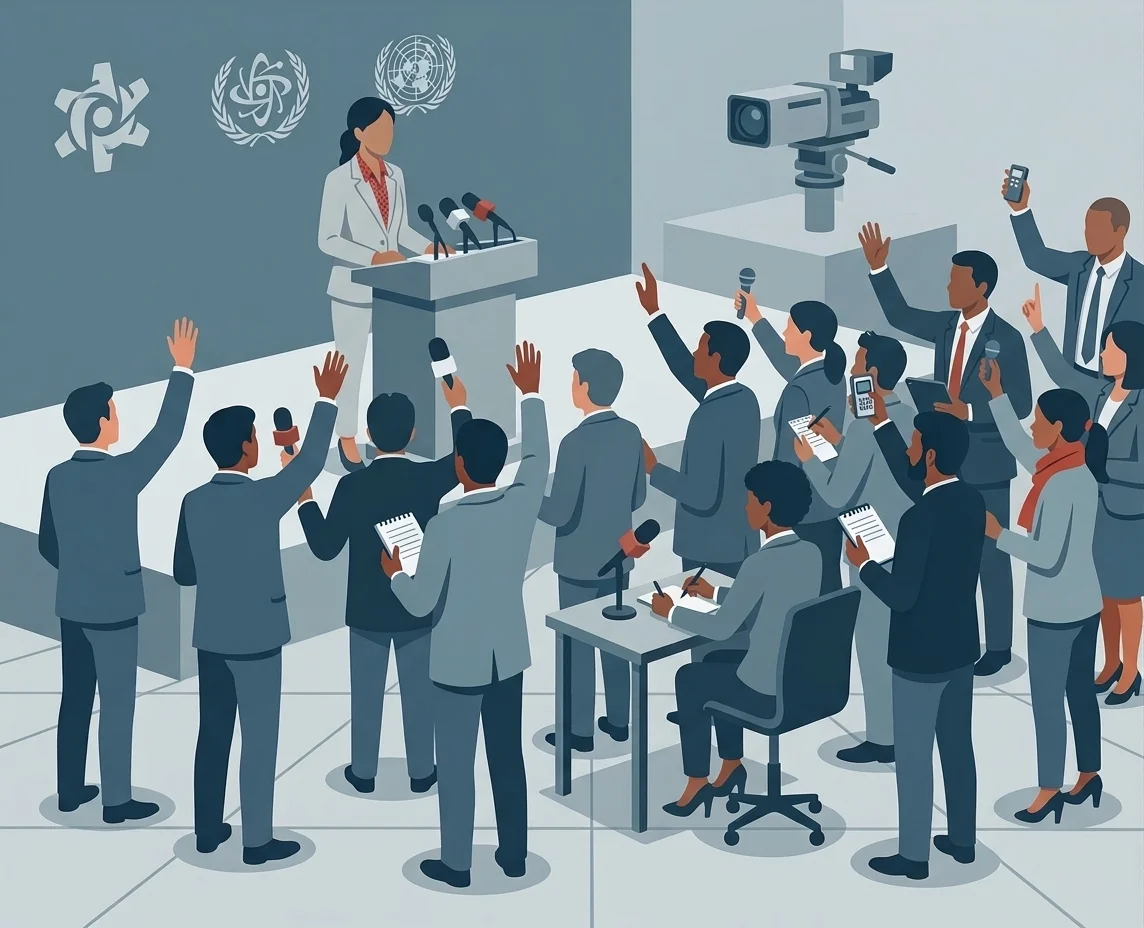
However, the interview was shaped for short-form video, not for the level of technical detail a trade journalist needs and no still images were captured at a usable resolution.
Now the PR team has to go back — to the customer, to the site, to internal stakeholders — to fill in the gaps. More time, more coordination, and more pressure on people who already feel stretched.
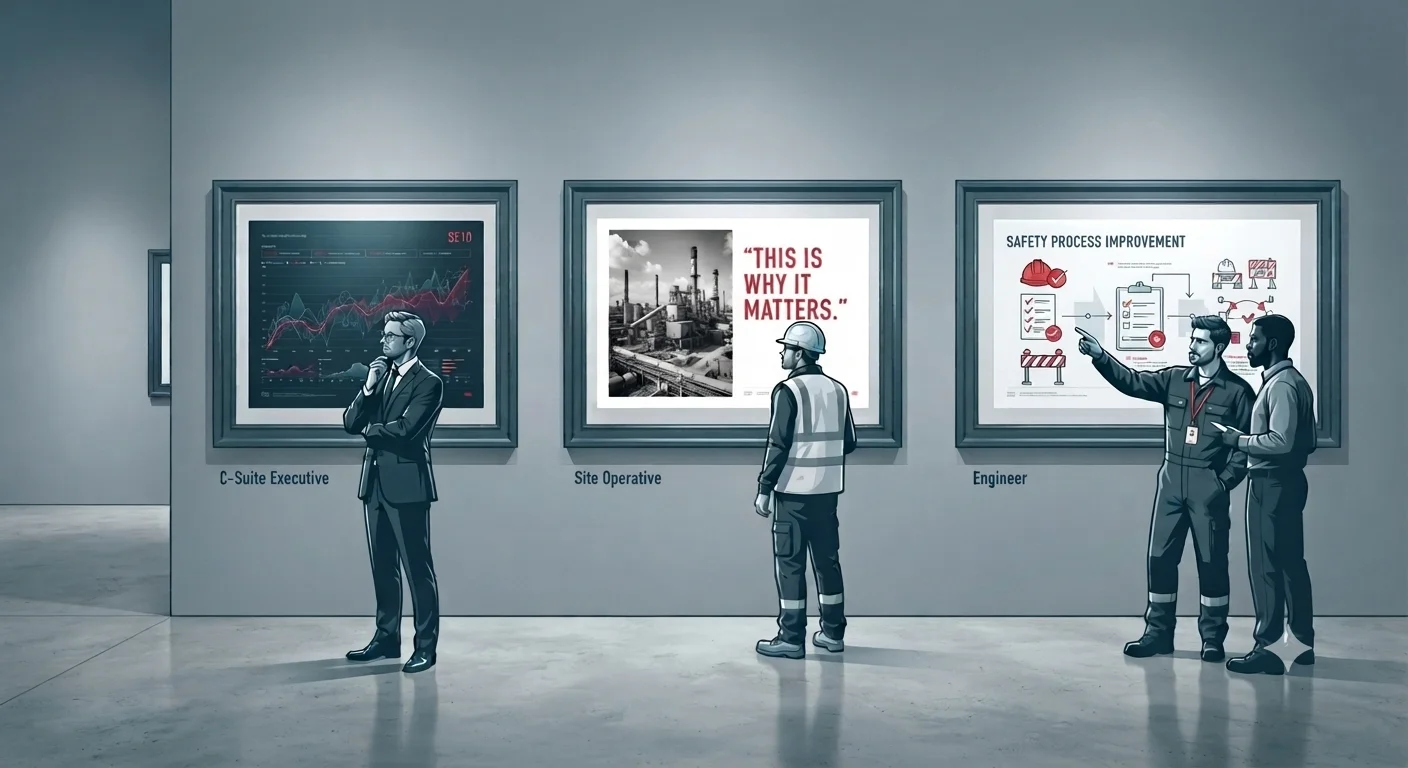
Instead of one clear narrative expressed across multiple channels, organisations end up with partial versions of the same idea — each one valid, but none fully developed.
And audiences — including AI-driven discovery systems — do not experience communications as separate assets. They experience them as connected signals that either reinforce one another or compete for attention.
The result is not just inefficiency. It is lost value. Because the original investment never quite achieves what it could have done if the story had been planned as a connected whole from the outset.
The collaboration problem that usually isn’t
Situations like this are often described as a symptom of silos. While that is partly true, it can also be misleading because it suggests teams are unwilling to collaborate. In reality most communications functions are highly collaborative in intent, so the challenge is usually structural rather than cultural.
Different teams are working to different timelines, deliverables, and measures of success. Social teams are focused on engagement and immediacy. Media relations teams are thinking about editorial value and technical depth. And digital teams are planning around campaigns, launches, and web journeys.
Each one is optimising for the outcomes they are responsible for. Individually, that makes complete sense but collectively, it can create fragmentation.
Often by the time they begin sharing information, the video has already been scoped, the interviews have happened, the campaign is scheduled, budgets are committed, and agencies are already delivering to a brief.
At that stage, teams are no longer shaping the story together; they are adjusting around fixed outputs.
What changes when teams start with the story
Visibility is key to alignment and that can come from relatively lightweight coordination, such as shared editorial planning, regular campaign conversations, or simply surfacing upcoming activity before production begins.
Once those conversations happen early enough, different questions start to emerge.
Not:
“What assets are we producing?”
But:
“What story are we trying to tell — and what do we need to capture now to support it properly later?”
A video shoot becomes an opportunity to gather editorial detail and photography while everyone is already on site. A customer interview is approached with multiple channels in mind. Teams identify opportunities to support each other before timelines harden and budgets lock.
The structure of the organisation has not changed and neither have the agencies involved. But the timing of the alignment has – and that is often what makes the difference.
Where external partners can help
For many industrial organisations, the challenge is not understanding this in theory. It is having the time and headspace to connect the dots within the reality of busy teams, multiple stakeholders, and different agency relationships.
That is where an external partner can add value by helping create alignment around key moments before execution begins. That might mean working across multiple teams and specialist parters to identify the central narrative, shape what needs to be captured, and ensure different outputs are set up to reinforce one another rather than operate in parallel.
It is less about centralising activity, and more about synchronising it at the right moments. That way, existing teams and agencies can continue doing what they do well, but with a clearer understanding of how their work contributes to a wider communications effort.

Hannah Kitchener
Associate Director
About the author
Hannah is an associate director in the UK, leading strategic campaigns for industrial clients across the EMEA region. A professionally qualified journalist (NCTJ), she combines specialist sectoral knowledge in construction, energy, and materials handling with a strong network of trade media contacts to secure valuable coverage. Her expertise in inter-cultural communication, honed by degrees in modern languages and translation, is key to executing campaigns that succeed across diverse European markets.