On this year’s International Women’s Day, SE10 Account Director Mariana Santos reflects on the strong presence of female professionals in industrial PR — and why male-dominated industrial sectors need more women in executive roles.
You don’t have to look very closely to notice, within the first few minutes of walking a construction trade show like CONEXPO that took place this week, that the vast majority of people on the booths or just attending the shows are men. In fact, it’s hardly surprising, considering that only about one in ten construction workers is a woman.
The picture is very similar across other industrial sectors serviced by SE10, including mining, manufacturing and transportation. These remain largely male-dominated environments, although there’s a gradual — and encouraging — trend toward hiring more women in many of these industries.
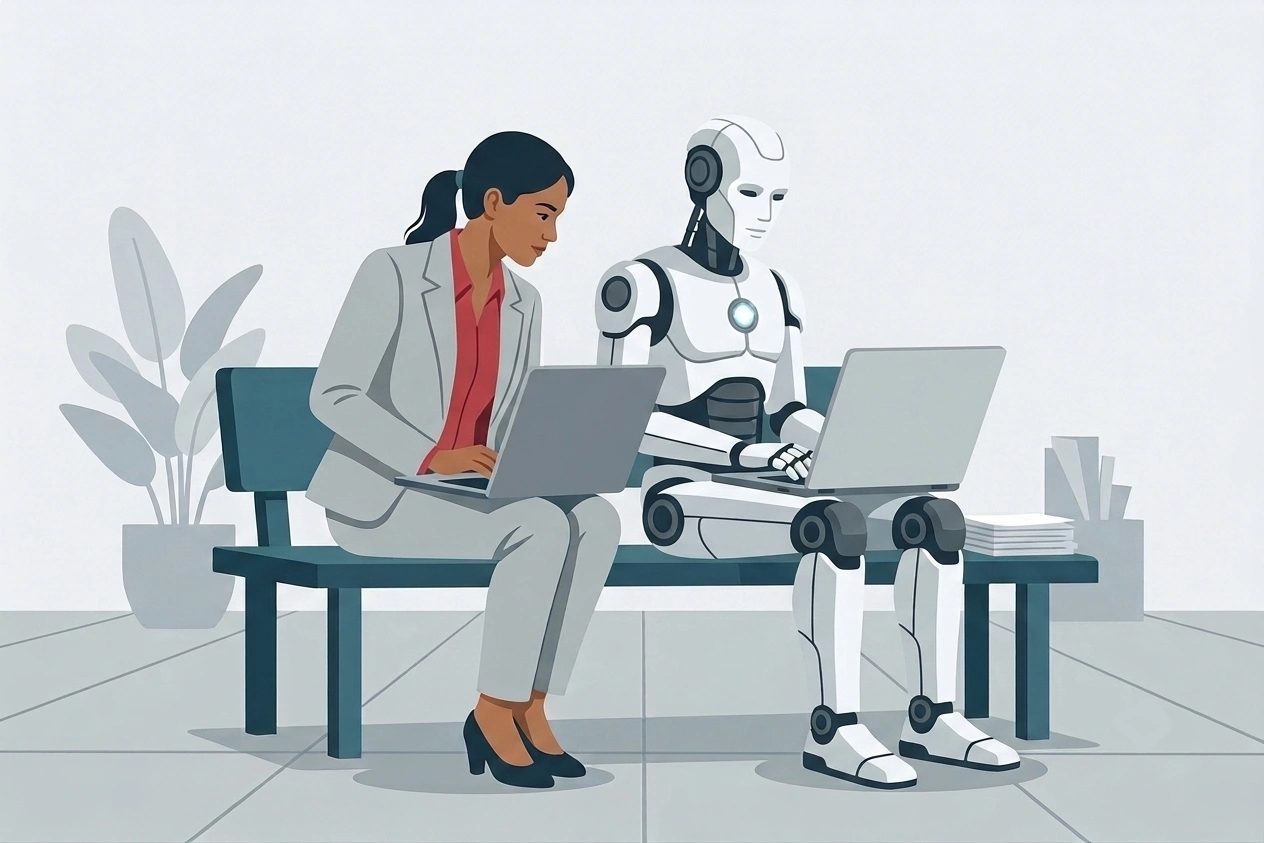
Interestingly, many of the women you do encounter, whether at the company offices or on the trade show floor, often work in communications, PR and marketing roles. And here again, no big surprises — communication-related professions tend to be more gender-balanced, and in many cases even tip towards female majority. The same pattern can be seen in industrial PR, where women have historically played a significant role in creating valuable content, building strong media relationships, and strengthening brand awareness.
But this observation highlights an important point: even in industries where women are well represented, leadership roles often remain disproportionately male. This gap becomes particularly visible in industrial sectors, where women are still underrepresented not only in technical roles but also in positions of influence and decision-making.
Industrial sectors need more women in engineering, operations, sales, plant management — and, for sure, in executive leadership. While the number of women in leadership positions in industries such as technology, manufacturing, energy, supply chain and transportation is increasing, it remains significantly lower than that of men. According to the World Economic Forum, in 2022 women represented only 24% of leadership roles in technology, 21% in supply chain and transportation, 20% in energy, and 19% in manufacturing.
Increasing female representation in higher positions is not only a matter of fairness — and certainly should not be seen as a pure response to social pressure — it strengthens organizations and long-term business performance. Diversity of thought is an incredibly valuable asset and can become a real competitive advantage.
A company led by teams with a wide range of experience and leadership styles tends to bring broader perspectives to complex challenges, encourage more balanced decision-making, and foster cultures that value collaboration and innovation. When women are present across all functions, representation becomes normal rather than exceptional, and companies benefit from a wider range of experiences and leadership styles.

Account Director
About the author:
Mariana Santos is an Account Director at SE10. She handles PR for some clients in the packaging industry writing press releases, thought leadership pieces, managing social media, supporting event setup. Before joining SE10 in 2016, she had worked as journalist for 15 years in Brazil, Germany and the U.S.