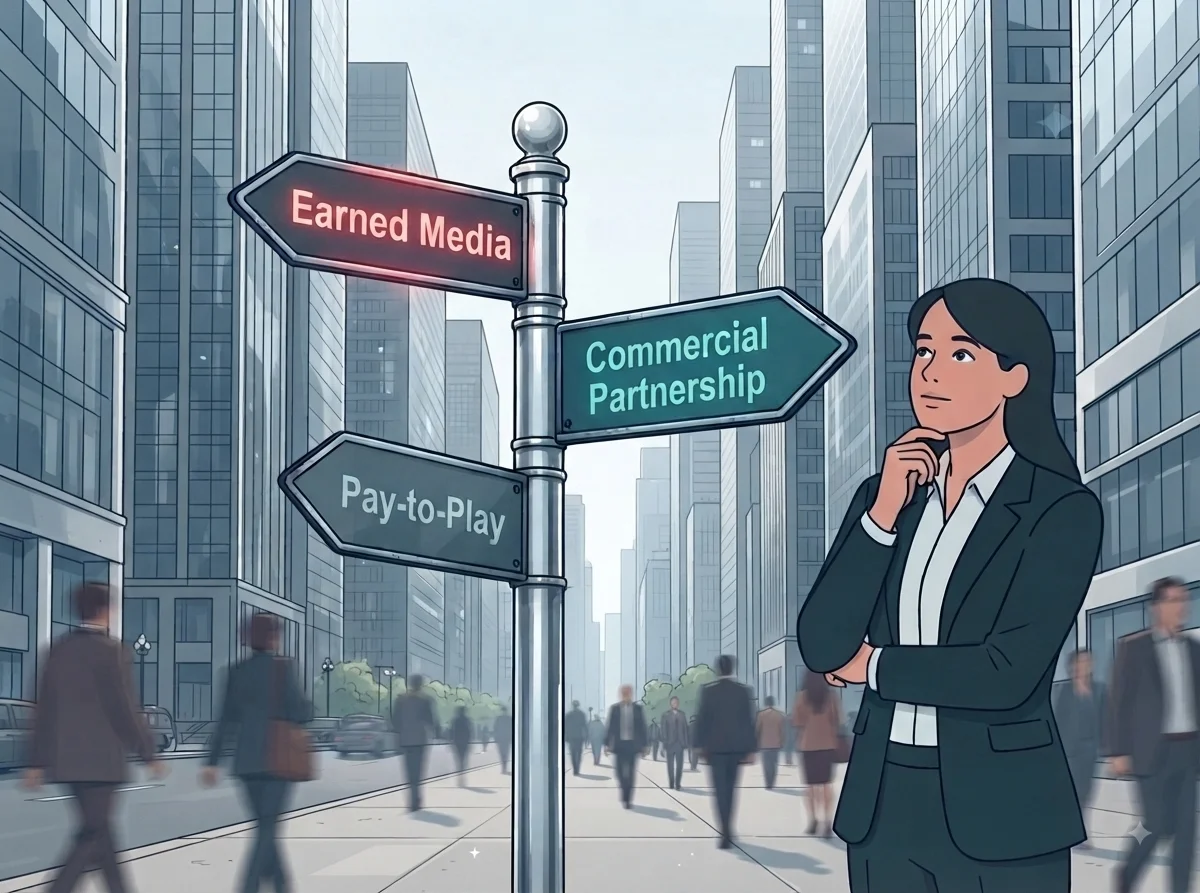
The way we build relationships with trade media is evolving. The traditional separation of earned and paid media is giving way to a more integrated, partnership-first model in response to commercial realities and the rise of AI search. This is the new approach for securing the regular, authoritative coverage needed to build long-term influence.
One of the biggest shifts I’ve seen in my twelve years at SE10 is how much harder it has become to earn media coverage these days. As an agency founded by former construction trade magazine editors on the principle of storytelling excellence, our approach was always to secure editorial based on the merit of the story alone. For a long time, that worked extremely well.
But today, even the best stories are often met with a request for financial support. For some clients, this can be a frustrating situation, sometimes feeling like being asked to pay twice – once for the PR agency and again for the media outlet. So what’s behind this change?
A perfect storm of commercial pressures
The answer is not a lack of interest in good stories; it’s a reflection of intense and compounding commercial pressure. When our founders left journalism to start SE10 over two decades ago, they were already facing reduced budgets and smaller teams at their magazines. The SE10 solution was to provide content so high quality that it made a busy editor’s life easier.
Over the last few years, those financial pressures have intensified drastically. The expectation for free online articles, competition for ad spend from influencers and global tech platforms such as Facebook and LinkedIn, as well as the need to maintain a 24/7 digital presence across multiple channels have challenged traditional revenue models.
Now in 2025, the rise of AI search has added another layer of pressure. Trusted journalism is being scraped by AI and served up to audiences in summaries, often without a click back to the original source. This further erodes banner ad revenues that publications rely on.
Publishing is an extremely hard business to be in. Yet, quality journalism has never been more important.
Why we need a healthy trade media more than ever
In a world experiencing content overload, with a flood of low-quality, inaccurate or even misleading AI-generated information, audiences desperately need sources they can trust. And trade publications are the credible, third-party voices your human audience turns to when making high-stakes decisions.
They are also essential for building a ‘web of trust’ for your generative engine optimisation (GEO) strategy, as their authority is a powerful signal to AI search engines. AI relies on trade media as a source of credible information just as much as human audiences do. Being quoted by respected trade publications will increase your visibility and authority as audiences turn to AI to look for information.
This creates a paradox: at the exact moment we need healthy, independent trade media to support our business goals, they are at their most vulnerable.
Introducing a ‘partnership first’ model
Brands cannot support every publication financially – and especially not in uncertain economic times, so we must focus on the core group of media that we believe are the most relevant and appear to be the most trusted by both your human and AI audiences.
Then instead of pitching for earned coverage first with this ‘anchor list’, we lead with a gesture of partnership. We show them upfront that we value their role and intend to work with them for the long term. This isn’t about buying one-off, sporadically timed ads, which are becoming less effective at driving traffic. Instead it’s about investing in the long term through high-value formats. Not only does this support their platform, but it delivers genuine value to their readers and your brand.
These include:
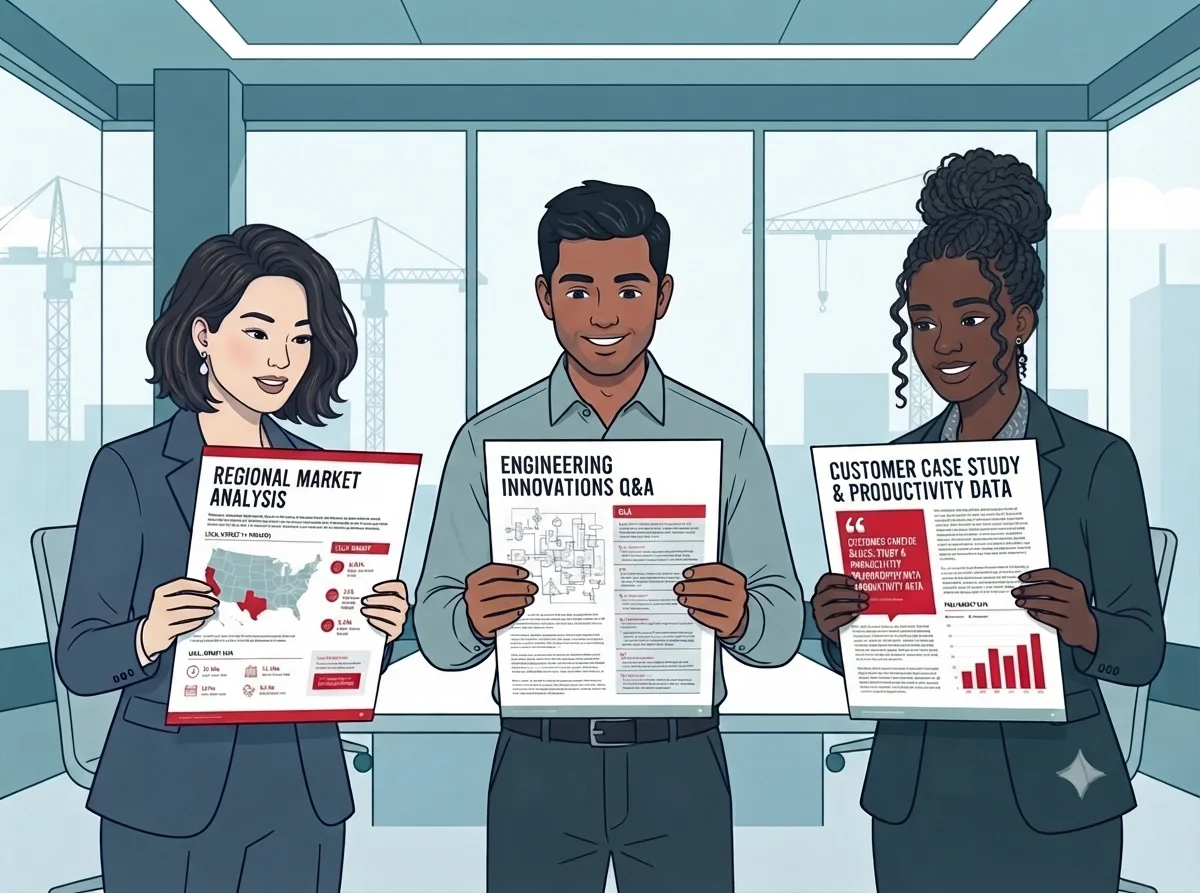
• In-depth sponsored content: Publishing detailed thought leadership pieces that solve real problems for the reader.
• Sponsored webinars: A platform for your experts to engage directly with a highly qualified community.
• Newsletter sponsorships: A way to place a valuable message directly into the inboxes of a loyal audience, bypassing algorithms entirely.
This investment is a strategic handshake and is mutually beneficial. But it comes with a crucial rule: the quality of the sponsored content must be as good as if it were earned in order for it to be an authoritative and valuable source for both human and AI stakeholders.
Executing with integrity
This ‘partnership first’ model does not mean we stop pursuing earned media. On the contrary, the investment we make is designed to make our earned media efforts more effective. It allows us to operate on three parallel lanes simultaneously.
1. The partnership lane (paid): This is our ‘anchor’ content – our strategic investment that opens the door to a deeper relationship.
2. The opportunity lane (earned): This is our primary engine for generating the editorially independent coverage that is so vital for GEO. We operate on a proactive, monthly cycle of reviewing forward feature lists, and our established partnership ensures our pitches get a warm reception.
3. The news lane (earned): This is our steady drumbeat of press releases for company news. Our relationship ensures these announcements are given proper consideration by busy editors.
A more sustainable and resilient future
Supporting the trade media we rely on is no longer just a nice thing to do; it’s an act of strategic self-interest. To build the authority and trust that is so essential in 2025, we need a healthy, thriving ecosystem of specialist journalists and a smart, integrated partnership approach is the most effective way to ensure that happens. It turns a simple budget line item into a powerful investment in the future credibility of your brand.
If you believe your business would benefit from this integrated, partnership approach to building and maintaining media relations, we’d welcome the opportunity to discuss it further. Get in touch with our team to start the conversation.

Hannah Kitchener
Associate Director
About the author
Hannah is an associate director in the UK, leading strategic campaigns for industrial clients across the EMEA region. A professionally qualified journalist (NCTJ), she combines specialist sectoral knowledge in construction, energy, and materials handling with a strong network of trade media contacts to secure valuable coverage. Her expertise in inter-cultural communication, honed by degrees in modern languages and translation, is key to executing campaigns that succeed across diverse European markets.