Microsoft’s 2025 Work Trend Index highlights a growing issue in modern work culture: the ‘infinite workday’, where meetings, messages, and mounting expectations stretch far beyond traditional hours. Here’s how we’re prioritising deep thinking and a respect for time and how other communicators can help their organisations break the cycle too.
The latest Work Trend Index from Microsoft, based on data from millions of Microsoft 365 users, offers an insightful snapshot into how work is evolving – and not always for the better. While digital tools have enabled new levels of flexibility and connectivity, they’ve also created an environment where many employees feel stretched thin and constantly ‘on’.
As a communications agency, this struck a chord with us. We don’t claim to have all the answers – but we’re asking the questions.
How can we respect our people and protect their space for thoughtful work, while staying ahead of the fast-paced media landscape and responsive to client requests? And how can communicators like us support more balanced work habits – for both our own teams and the clients we serve?
The workday has stretched – and so has the pressure
Microsoft’s data tells a stark story:
• The average office worker now receives 117 emails a day, most of them skimmed in under 60 seconds.
• Almost half of those emails are received outside of business hours, and 29% of workers are replying after 10pm.
• Workers are interrupted on average every two minutes during core hours by an email, Teams message, or meeting.
• And 48% of those surveyed said their work feels fragmented and chaotic.
This points to more than just being busy – it suggests people are too overwhelmed to focus, too tired to recover, and too rushed to do their best work.
What we’re doing at SE10
As an agency specialising in industrial B2B communications, we’re often tasked with translating complex technical information into compelling articles and pitches – and delivering that kind of service needs time and a clear head. Here’s how we’re tackling the challenge.
• A global team that shares out, not burns out
With colleagues across Singapore, the UK, and the US, we can meet tight deadlines without asking individuals to stretch their days. An urgent task can move from one time zone to the next, ensuring progress without invading anyone’s personal time.
• Protecting working hours – and rest hours
Our core hours are 9:00-17:30 local time and unless on a pre-arranged crisis comms rota, planned business travel/events or in other exceptional, urgent circumstances, there’s no expectation to check emails outside of that. Of course, clients are always welcome to call us in an absolute emergency but in general flexible working is there to support our people – not as a backdoor to longer days.
• We have a flexible working approach
Being a fully remote organisation, we recognise that our team might have appointments or personal matters to tend to, sometimes during working hours. We trust our team to manage their work, when and where works for them. As long as they respond to clients in a timely manner and get their work done, we don’t micromanage the detail.
• Vacation is sacred
When someone is on holiday, they’re fully offline. There’s no checking in. The rest of the team covers their work to ensure continuous client support.
• Mindful, efficient communication
We consolidate client updates wherever we can – minimising individual emails and saving non-urgent discussions for fortnightly account progress meetings. We’re also intentional about when and why we meet for all-company calls, as our colleagues in Singapore always have to join during their evenings.
• Prioritising deep work
Strategy, creativity, and storytelling don’t thrive in short gaps between meetings. We encourage our teams to block time for focused work. It’s not a luxury – it’s how we do our best thinking for clients.
• Embracing AI to free up time
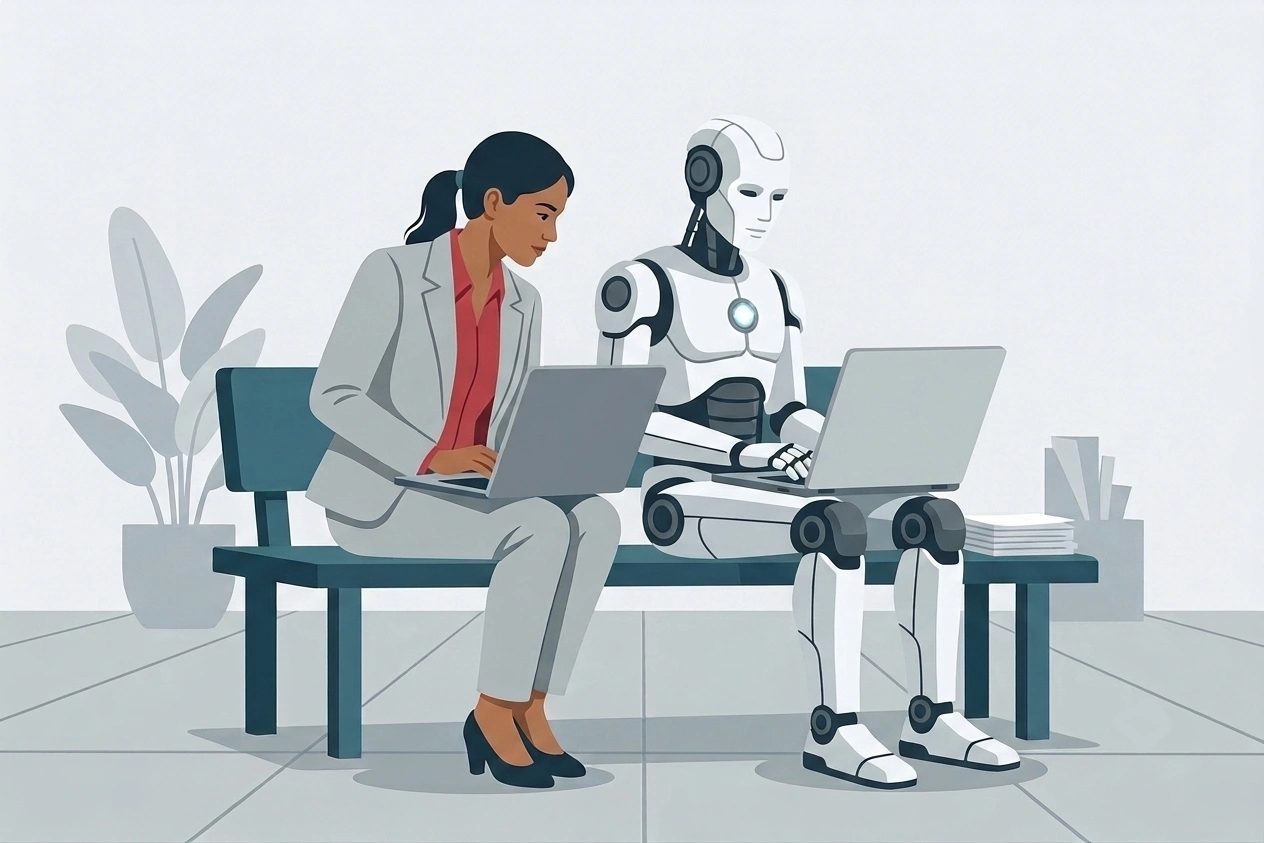
We use AI to streamline research, summarise notes, and reduce admin – so our people can dedicate more time and energy to what humans do best.
What this means for internal communicators
The Work Trend Index wasn’t just eye-opening for our how we operate at SE10. It also has implications for how we support our clients – many of whom are looking to strengthen employee engagement and retention in the face of mounting pressures.
Here are a few questions we’re asking – and encouraging others to ask too:
• Are leaders modelling healthy boundaries?
Culture starts at the top. When leaders make a point of logging off at a reasonable hour, taking real vacations, and visibly protecting time for deep thinking – not just task management – it signals to employees that they can do the same.
• Are we prioritising clarity over volume?
More communication isn’t always better. Are we making space for people to absorb and act on the most important messages? A thoughtful, well-timed update often carries more impact than a flood of smaller ones.
• Could occasional in-person sessions be more productive than ongoing calls?
Bringing teams together for a focused workshop or strategy day can yield deeper discussions, stronger alignment, and more creative thinking than a string of virtual meetings.
• Are we respecting people’s time and attention?
Before scheduling a meeting or sending an update, it’s worth asking: Is this the best format? Can we streamline or consolidate communications? Could a regular round-up newsletter replace numerous one-off emails?
• What tone are we using?
Language matters. Do our internal messages communicate trust, empathy, and shared purpose – or urgency, overload, and control? Even small shifts in tone can help foster a culture of care and calmness.
At SE10, we’re still figuring all of this out too. But we’ve seen that small, intentional changes – fewer interruptions, clearer priorities, and more human communication – can create the conditions for deeper focus and better work. And that’s something we’re committed to supporting, for ourselves and for our clients.
Ready to cultivate a work culture that empowers deep thinking and fosters employee well-being? Our internal communications services can help you strategise a shift. Get in touch to learn more.

Hannah Kitchener
Associate Director
About the author
Hannah is an associate director in the UK, leading strategic campaigns for industrial clients across the EMEA region. A professionally qualified journalist (NCTJ), she combines specialist sectoral knowledge in construction, energy, and materials handling with a strong network of trade media contacts to secure valuable coverage. Her expertise in inter-cultural communication, honed by degrees in modern languages and translation, is key to executing campaigns that succeed across diverse European markets.