With the roll-out of Google’s AI Mode, the way users search for information is changing fast. For industrial B2B marketing and communications leaders, the shift towards ‘zero-click’ results demands a new approach to visibility, authority, and trust.
Just over a year since Google introduced AI Overviews – the AI-powered summaries that appear at the top of Google search results, providing concise answers to user queries – the next phase of the AI search revolution has begun. Google is now rolling out its new AI Mode, which embeds AI chatbot capabilities into its search engine.
Introduced in the US in May and in the UK in late July, this new feature allows users to ask complex questions and receive detailed answers directly on the results page, without ever needing to click on a link. It comes in response to a fundamental behavioural shift that is seeing users increasingly use AI chatbots instead of traditional search engines to find information. A recent survey found that 34% of 16-27-year-olds in the US are now using tools such as ChatGPT for online searches.
As a result of the roll-out, users will likely spend more time interacting with Google’s AI and less time browsing the web. Over the last year, AI Overviews have already been cutting the traffic Google sends to websites between 30% and 70% depending on the type of information, with some studies showing that 60% of Google searches are ‘zero-click’. And it makes perfect sense. Why would a user visit your website if Google’s AI has already read it and provided a convenient summary?
So, what does this development mean for industrial B2B marketing and communications? Here are three key strategic implications.
1. Implementing a generative engine optimisation (GEO) strategy is essential
In a low-click or even zero-click search environment, appearing on the first results page is no longer enough. You need to be quoted in the AI-generated summary that appears at the top of the search engine results page (the AI Overview) or in the conversational response it generates in AI Mode. These features, which provide concise answers and detailed responses directly to users, are what’s now capturing a significant portion of user attention.
To achieve this, your company’s expertise must be easy for AI to find, interpret, and trust – and that’s where generative engine optimisation (GEO) comes in. It involves having a well-structured and informative website but also means ensuring your authority and reputation is echoed and validated across the wider web.
This includes the trade media coverage of thought leadership articles and customer success stories we’ve been helping our industrial B2B clients to secure for years. Not only do these pieces provide the rich, contextual information that AI systems favour when generating responses, but they also offer the third-party endorsement that reinforces trust and credibility.
GEO also requires a vigilant approach to reputation management as AI models can surface and amplify outdated information or misleading information. Any inaccuracies or negative perceptions need to be addressed with speed, clarity, and diplomacy before they can become embedded in AI-generated summaries that influence stakeholder knowledge, perception, and behaviour.
GEO is, therefore, something we’re increasingly focusing on at SE10 to ensure our clients voices are not just seen and heard but also trusted in this new search landscape.
2. Supporting trade media financially matters more than ever
Mainstream news publishers in the UK have reported a drop in click-through rates of between 37.7% and 47.5% when AI Overviews are present in search results – and it’s likely that the specialist trade media in industrial B2B sectors are feeling similar effects. This trend poses a growing challenge to the commercial sustainability of quality journalism and yet its role has never been more vital.
As highlighted earlier, trade media’s deep sector knowledge and editorial credibility makes these publications key contributors to AI-generated summaries, underpinning GEO efforts. They also offer a trusted source of information for human stakeholders making critical decisions in an increasingly noisy digital landscape.
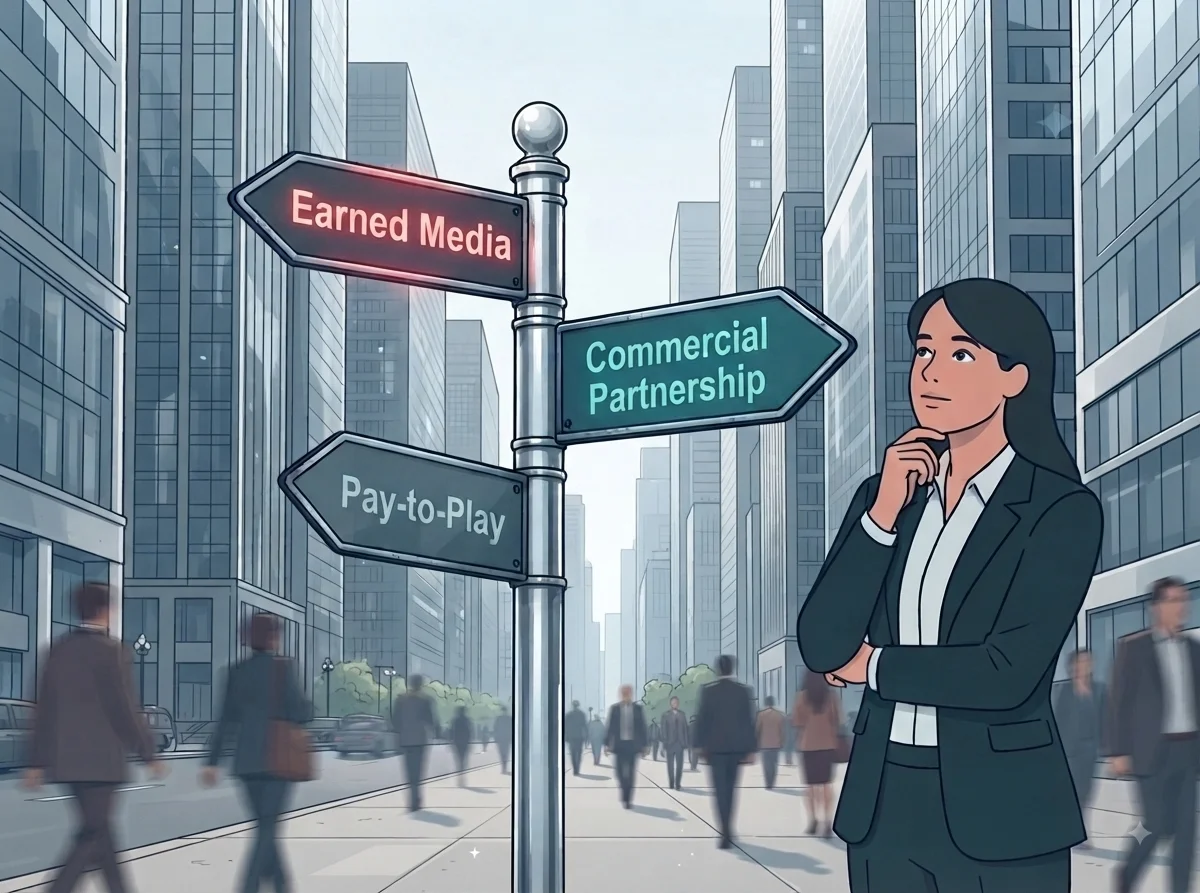
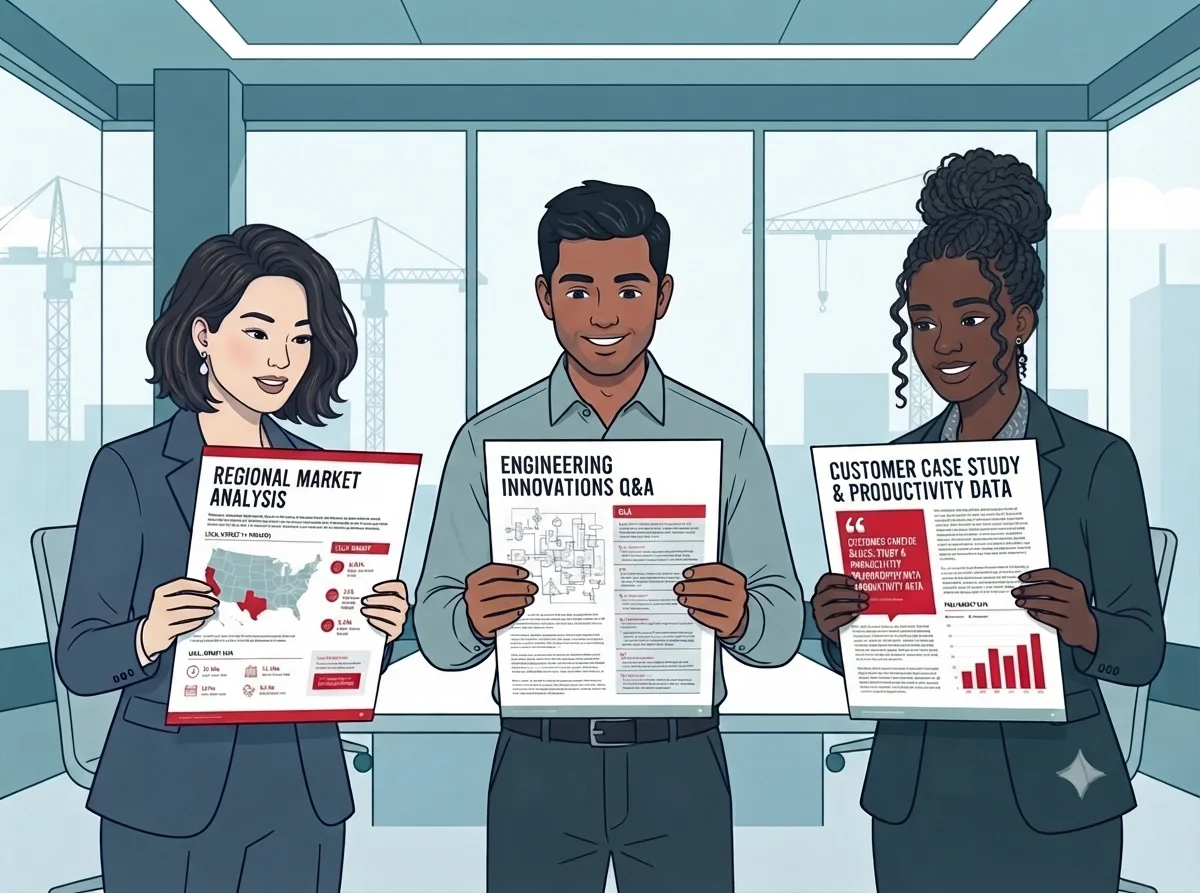
To ensure these media platforms continue to serve their vital role, brands must invest in them – but as traffic volumes decline due to the impact of zero-click search, traditional display advertising is unlikely to deliver the desired results. Instead, advertising budgets should prioritise high-quality sponsored content – in-depth features or reports that demonstrate expertise, offer genuine insights, and build trust with both AI and human readers. Other effective options to consider include sponsored webinars and podcasts, which allow your subject-matter experts to engage directly with targeted audiences, and newsletter sponsorships which put your content into the inboxes of highly relevant, opted in readers – completely bypassing the Google algorithm.
This is not just about keeping trade media afloat. It’s a strategic investment in your brand’s long-term visibility, authority, and trust.
3. Pay-per-click (PPC) campaigns with Google Ads must focus on quality over quantity
While we’re on the subject of advertising, it’s worth reflecting on how AI Overviews and AI Mode are reshaping pay-per-click (PPC) campaigns on Google. Google Ads is a major revenue stream for the company, so it’s unlikely to disappear, but it will evolve. We may soon see new ad formats designed to work seamlessly within AI-powered search results, such as sponsored links embedded inside AI Overviews or suggested actions integrated into conversational AI responses. Whether this means the highest bidders will appear within those summaries or alongside them remains to be seen but change is coming.
In the meantime, the visible space on Google’s search results page continues to shrink and competition for the top ad placements is intensifying – along with the cost per click. Keywords need to shift away from broad, generic terms, to high-intent, niche searches, because in many cases, AI-generated summaries now satisfy user’s top-of-funnel information needs. There’s less reason to click a basic ‘learn more’ ad when AI has already delivered the answer. PPC ads must now target users who are ready to act – to request a quote, book a product demo, or talk to a technical expert. These are personalised, human-touch actions that AI can’t replicate and where advertising will remain effective.
And since each click is likely to be more expensive, you can’t afford to let that potential visitor get away. A strong retargeting strategy is essential to keep your brand top of mind and nurture the lead through to conversion.
Just as there is a growing synergy between GEO and media relations and media buying, there’s also a connection between GEO and PPC. A well-executed GEO strategy builds trust and authority — so when users see your brand cited in an AI-generated answer and spot a relevant, action-oriented ad nearby, they’re more likely to click and convert. GEO builds the trust. PPC captures the intent.
Adapt to AI search or risk invisibility
The rise of AI-powered search is not a passing trend – it’s a fundamental shift in how information is found, consumed, and acted upon. For industrial B2B marketers and communicators, this means rethinking how visibility, trust, and engagement are earned in a world where users might never visit your website.
Whether it’s optimising for generative engines, supporting trusted trade media, or refining your PPC strategy for high-intent interactions, the goal is the same: to ensure your brand shows up where it matters, and is chosen when it counts.
If you’d like to understand how your organisation can maintain visibility and authority in an evolving search landscape, get in touch – we’d be happy to talk.

Hannah Kitchener
Associate Director
About the author
Hannah is an associate director in the UK, leading strategic campaigns for industrial clients across the EMEA region. A professionally qualified journalist (NCTJ), she combines specialist sectoral knowledge in construction, energy, and materials handling with a strong network of trade media contacts to secure valuable coverage. Her expertise in inter-cultural communication, honed by degrees in modern languages and translation, is key to executing campaigns that succeed across diverse European markets.