AI tools that can write and optimise press releases instantly are a tempting proposition, but when a team at the heart of the AI revolution, such as Google DeepMind, is choosing not to use them, we need to ask why.
I’ve noticed a significant increase recently in the number of tools being marketed to me that promise to use AI to draft and optimise press releases. And I know what you’re thinking. Of course, you’re going to say that press releases shouldn’t be written by AI when you work for a PR agency built on the core skill of excellent writing. It’s true, our team of former journalists at SE10 is passionate about the craft but our perspective on this is more nuanced than simply protecting our work.
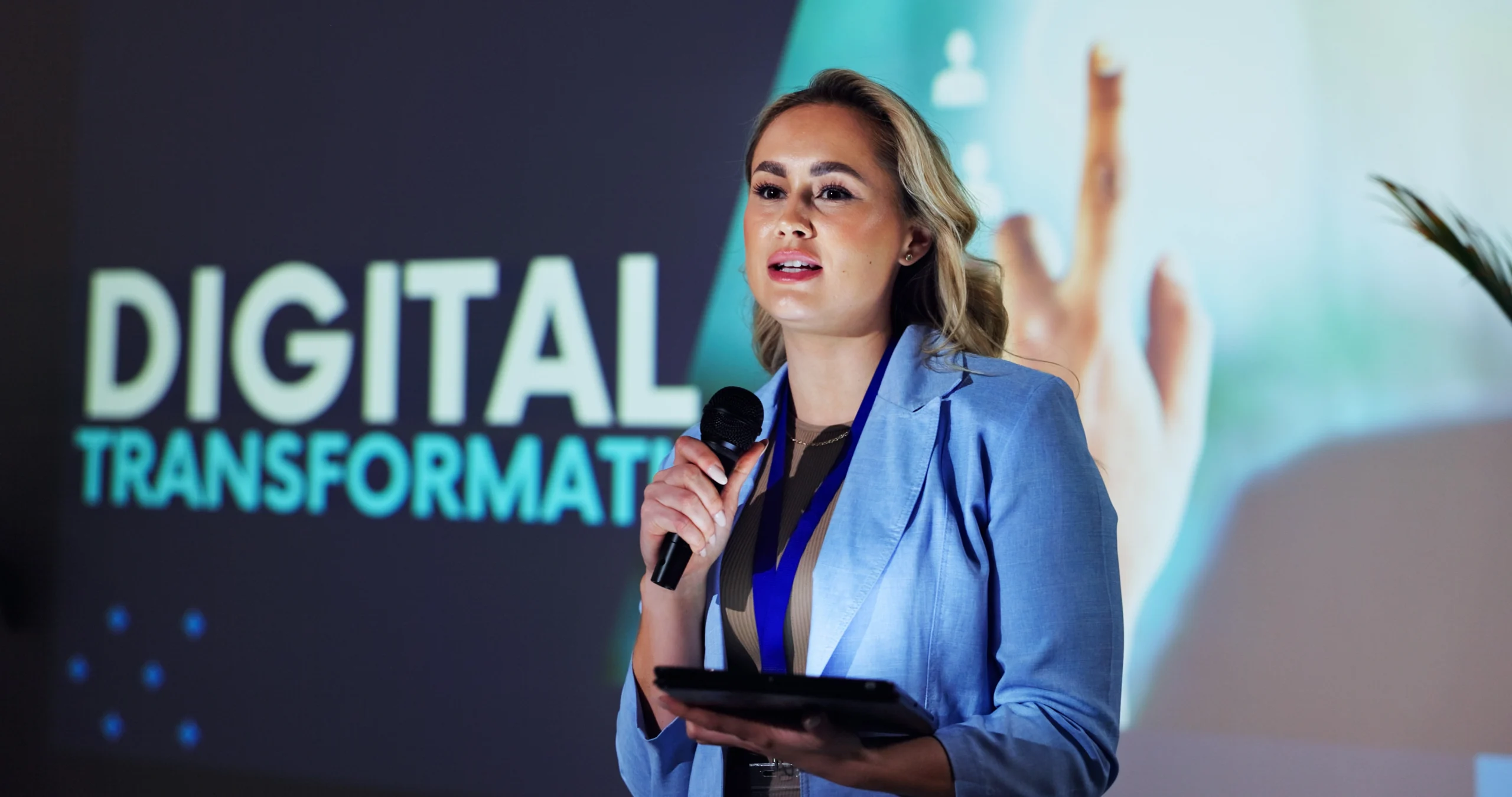
At the PR Moment AI in PR Masterclass last year, the most telling insight came from Leila Hajaj, communications director of Google’s AI research lab Google DeepMind, when she said that her ‘AI-first comms team’ was not using AI to draft press releases or core blog content. The reasons she gave? Nuance, strategic judgement, and brand voice protection.
So when a team at the epicentre of AI development with access to the world’s most advanced technology is making a conscious choice to write press releases themselves, it’s a decision we should all reflect on.
The hidden cost of ‘AI slop’
The temptation of AI-generated content is its speed and scale. Yet this advantage is also its biggest weakness as we’re now seeing a wave of ‘AI slop’ across the internet – vast quantities of low-quality, mass-produced content, often lacking in substance or accuracy.
Just two years after the launch of ChatGPT, the volume of AI-generated articles on the internet surpassed human-written ones. Despite this, research from late 2024 showed that 86% of Google’s top-ranking articles were written by people, as were 82% of sources cited by ChatGPT.
Why? Because human-led content is still generally considered to show more originality and be more trustworthy.
The currency of trust
As we’ve written before, the relationship between a PR team and a journalist is built on trust. Editors need to know that the information we provide is accurate, timely, and sent in good faith and they’re well aware that AI models can ‘hallucinate’ – in other words, make things up.
Despite this, research published in October 2025 found that almost a quarter of press releases on major US newswires are now AI-generated – and the media industry is pushing back. Press Gazette, a leading trade publication for journalists, has reported extensively on how AI content is undermining credibility and also in October 2025 went a step further, publishing advice for its readers on how to spot an AI-generated press release.
The result is that journalists are now on high alert. Any press release that carries the hallmarks of low-effort AI content – a formulaic structure, repetitive language, and lack of genuine insight – is treated as suspicious and likely deleted.
So if you want your news to be taken seriously by editors and show up in search results or AI chatbot responses, it needs to be crafted by a person who fully understands the context and nuances of your message, as well as the needs of the press.
The right role for AI
This does not mean we are against using AI for content creation, however. AI can be a fantastic co-pilot to increase efficiency when brainstorming social media post drafts, suggesting ways to repurpose existing content, or generate a first-draft video script from a dense technical document. The important thing is that every piece of AI-assisted content must be thoroughly reviewed, edited, and approved by a real person. This is essential to check for accuracy, strategic messaging, brand voice, and ethics.
So the decision to use AI or not for content creation is not just about efficiency or cost. It’s a strategic choice that impacts your brand’s credibility and we believe, the same as the Google DeepMind team, that for your most important announcements, human expertise always wins out.
If you’d like to discuss how to build a communications strategy that balances the efficiency of AI with the irreplaceable value of human expertise, let’s start a conversation.

Hannah Kitchener
Associate Director
About the author
Hannah is an associate director in the UK, leading strategic campaigns for industrial clients across the EMEA region. A professionally qualified journalist (NCTJ), she combines specialist sectoral knowledge in construction, energy, and materials handling with a strong network of trade media contacts to secure valuable coverage. Her expertise in inter-cultural communication, honed by degrees in modern languages and translation, is key to executing campaigns that succeed across diverse European markets.